✨ Flat 20% Off on First Order | Use Code: TWINKLE20 • 🚚 100% Free Shipping on All Orders • 🔄 7-Day Size Exchange

Category: Daily Play & Clogs

  • Waterproof Rainy Shoes for Kids in India: The Ultimate Monsoon Footwear & Safety Guide

    Waterproof Rainy Shoes for Kids in India: The Ultimate Monsoon Footwear & Safety Guide

    There is nothing in the world quite as tempting to a child as a fresh, muddy puddle after a torrential monsoon downpour. Watching rain lash against windowpanes makes kids itch to throw on their raincoats and go splashing outside.

    However, for Indian parents, monsoon season brings a chorus of daily anxieties:

    • School shoes soaked through within seconds of leaving the bus.
    • Slick, moss-covered pavements and wet marble apartment corridors turning into slip hazards.
    • Damp, squelching cotton socks leading to skin maceration, smelly feet, and itchy fungal infections (athlete’s foot).

    Sending your child out in regular canvas school shoes or heavy running sneakers during the rainy season is a recipe for soaked feet and destroyed footwear. What you need are waterproof rainy shoes for kids in India engineered specifically for tropical monsoon conditions: waterproof, feather-light, quick-drying, and equipped with serious anti-slip traction.

    In this comprehensive monsoon footwear guide, we break down the best rainy-day shoe styles, how to evaluate wet grip on Indian pavements, and how to keep your child’s feet fungus-free all season long.


    1. Why Regular Shoes Fail During the Indian Monsoon

    Most standard shoes are built for dry conditions. When exposed to continuous rainwater, three critical failures occur:

    1. Water Absorption & Delamination

    Cardboard footbeds and water-soluble adhesives in cheap shoes quickly dissolve. Soles start peeling away from the toe (flapping soles) within days of monsoon exposure.

    2. Bacterial & Fungal Growth (Tinea Pedis)

    When a child wears wet sneakers and damp socks inside air-conditioned classrooms for 7 hours, the warm, dark, humid environment inside the shoe becomes a breeding ground for dermatophyte fungi and sweat bacteria. This causes peeling skin between toes, unbearable itching, and foul shoe odor.

    3. The Hydroplaning Hazard on Wet Tiles

    Wet vitrified tiles, polished society staircases, and wet granite steps have near-zero friction. Smooth-soled casual shoes hydroplane instantly, leading to dangerous slips and falls.


    2. The 3 Best Styles of Kids Waterproof Rainy Shoes in India

    When shopping for monsoon footwear, steer away from heavy, clunky rubber gumboots (which cause excessive sweating and foot drag) and choose these practical, modern styles:

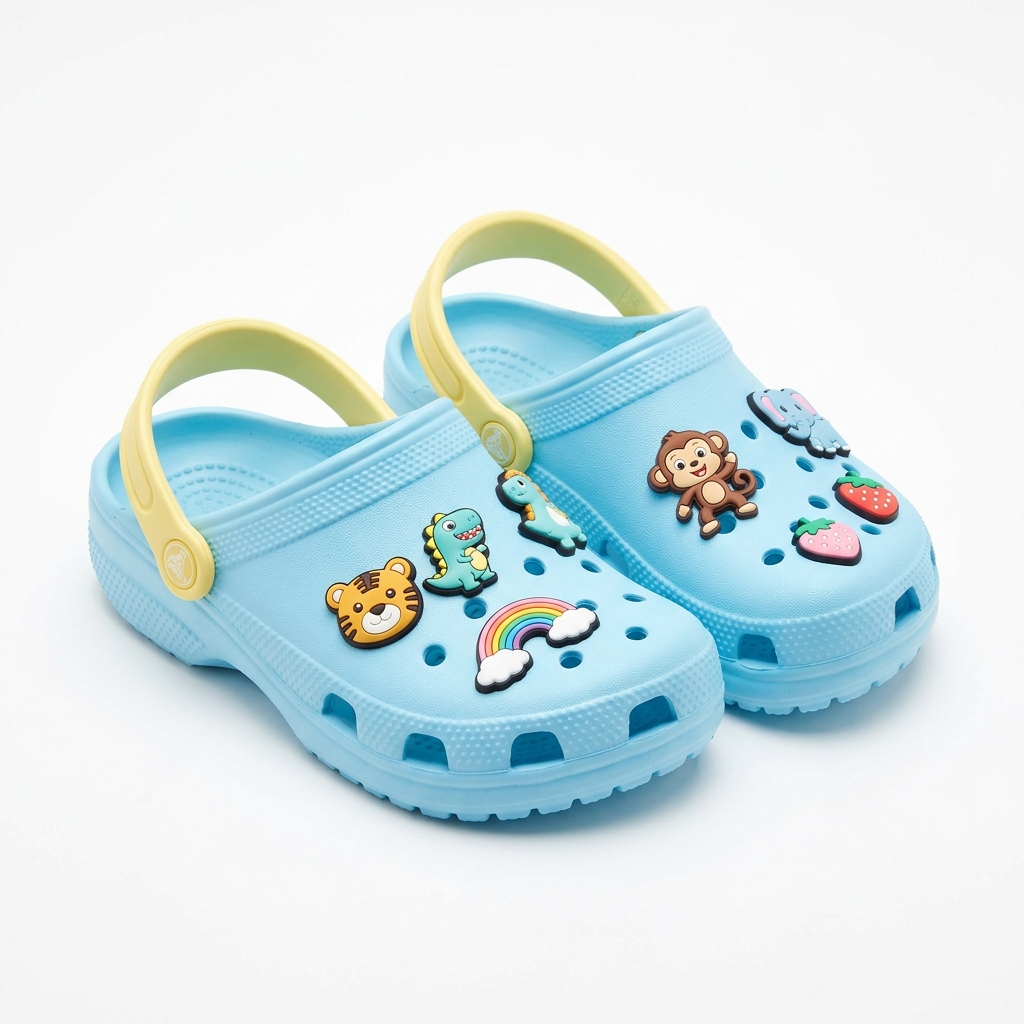
    ① Molded EVA Foam Clogs (With Pivoting Backstraps)

    Best For: Everyday play, quick errands, society garden walks, and puddle jumping.

    • Why They Work: High-grade closed-cell EVA (Ethylene-Vinyl Acetate) foam is 100% waterproof and does not absorb a single drop of water.
    • Features: Drainage ports along the sides let water flow out instantly. The pivoting heel strap locks the shoe to the foot when running, or flips forward for easy slide-on wear.
    • Cleaning: Rinse under the tap with liquid soap and they are completely clean and dry in 3 minutes!

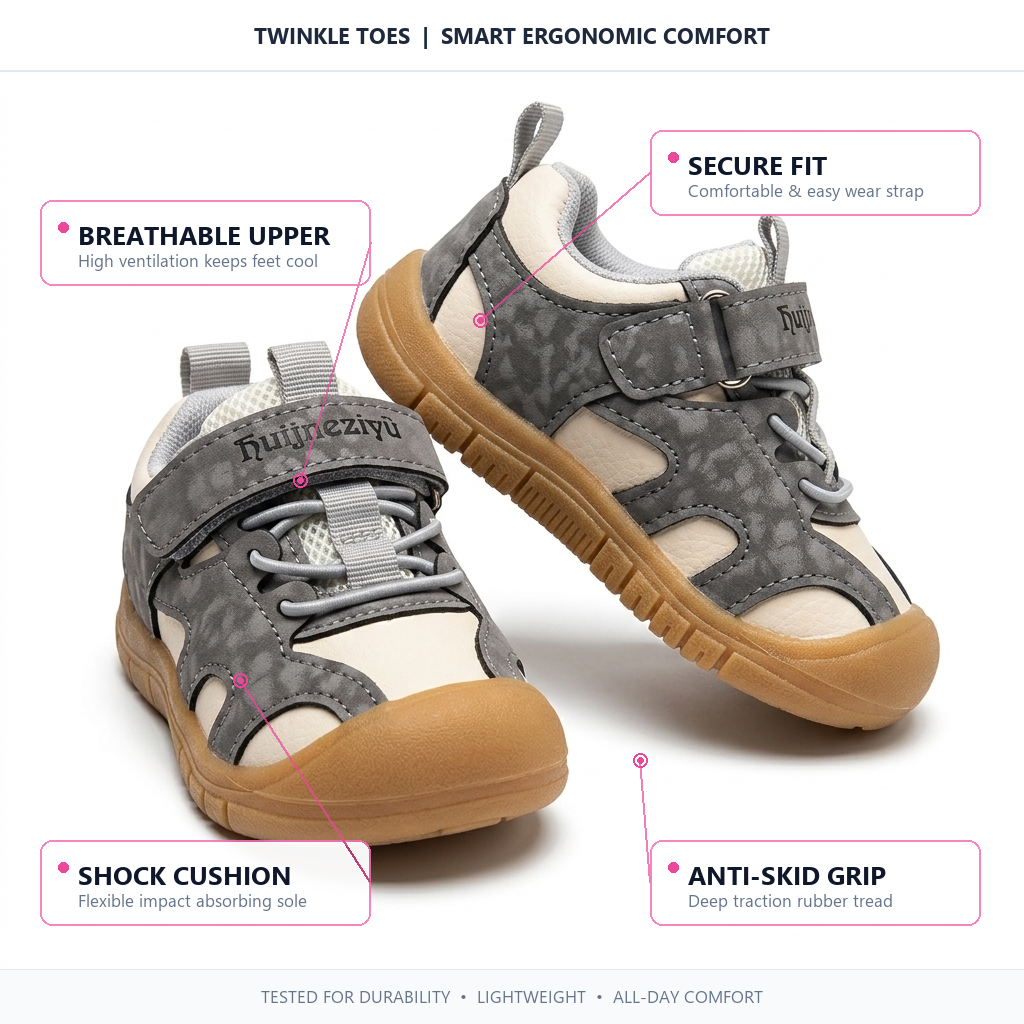
    ② Water-Resistant Cut-Out Sneaker Sandals

    Best For: School commutes, long walks, and outdoor park play.

    • Why They Work: Made from fast-drying hydrophobic neoprene webbing and rubber soles.
    • Features: Closed protective toe bumpers guard against hidden rocks in puddles, while open side vents allow feet to breathe and dry quickly.

    ③ Lightweight Ankle Rain Boots (Rubber Wellies)

    Best For: Heavy downpours, flooded city roads, and countryside mud.

    • Why They Work: High collars prevent deep puddle water from splashing onto pants.
    • Key Tip: Choose lightweight natural rubber rather than stiff, heavy PVC boots so your child doesn’t trip while walking.
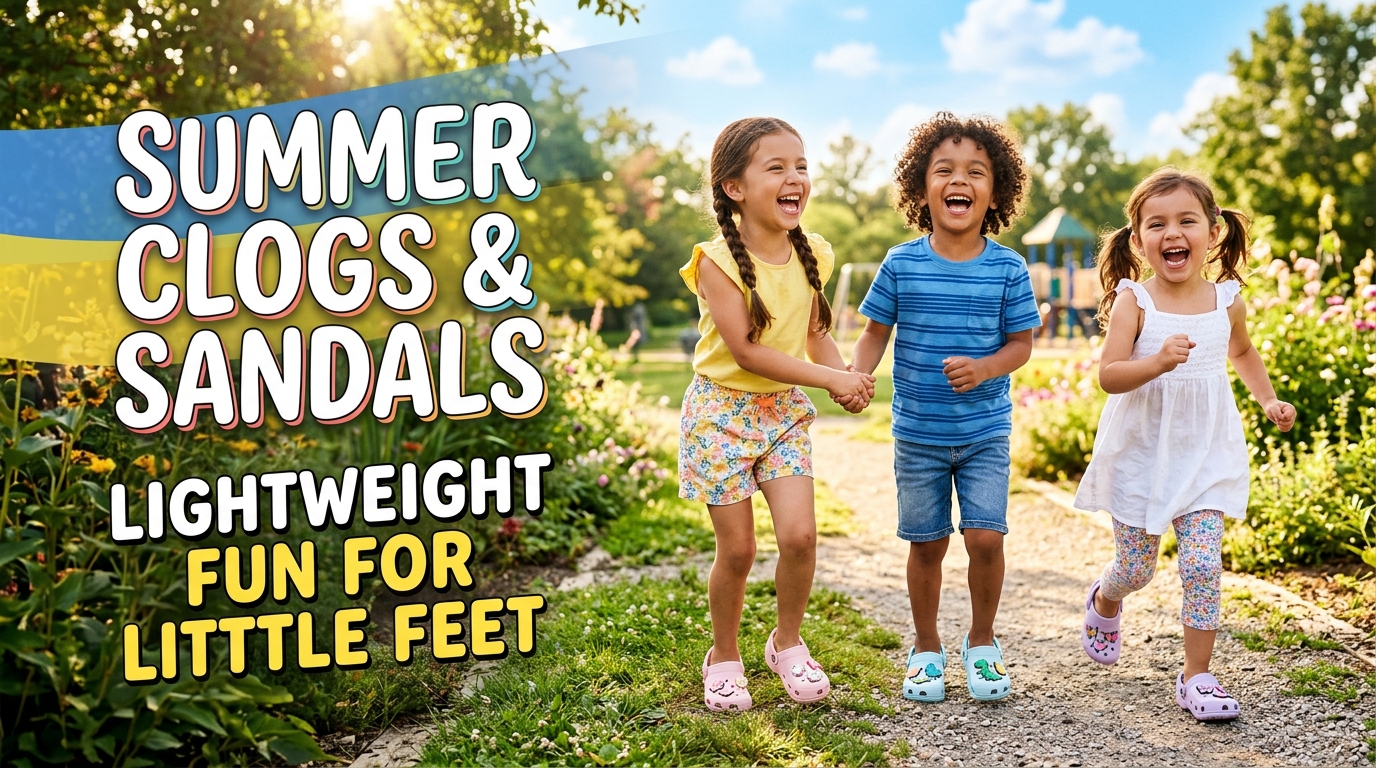
    Kids Having Fun in Monsoon Puddles Wearing Waterproof Clogs
    Pivoting heel straps keep waterproof clogs securely anchored to little feet during active outdoor puddle jumping.

    3. What to Look For: The Non-Negotiable Monsoon Checklist

    Not all waterproof footwear is created equal. Before buying rainy shoes for your child in India, look for these 5 vital safety features:

    Safety Feature What to Look For What to Avoid
    Outsole Material Deep grooved Thermoplastic Rubber (TPR) or textured EVA Flat, smooth plastic soles with decorative lines
    Tread Siping Channel grooves that push water away from the contact patch Solid, unbroken tread blocks that hydroplane on tiles
    Material Porosity Closed-cell waterproof EVA foam or hydrophobic nylon Open-cell sponge, absorbent canvas, or faux leather
    Toe Protection Reinforced closed rubber bumper Completely open-toe flip-flops (high stubbing risk in murky water)
    Fastening Secure ankle strap or adjustable Velcro band Loose, backless slip-on slides that fly off in puddles

    4. Monsoon Foot Health: 4 Rules to Prevent Fungal Infections

    Wearing waterproof shoes is only half the battle. To keep tiny feet healthy during the humid rainy months, practice these 4 hygiene rules:

    1. The 60-Second Foot Wash Routine: The moment your child comes indoors from the rain, wash their feet immediately with warm water and antibacterial soap to remove contaminated street water.

    2. Dry Thoroughly Between Toes: The skin between the pinky toes is the most common site for fungal infections. Always use a separate dry towel to pat between every toe.

    3. Dust with Antifungal Foot Powder: Lightly dust your child’s feet with an antifungal powder (such as clotrimazole or zinc oxide-based powder) before putting on shoes for school.

    4. Never Wear Wet Socks: Always pack an extra pair of dry cotton socks in your child’s school backpack during rainy months.


    5. Explore TwinkleToes Monsoon Ready Footwear

    At TwinkleToes Kicks, we design our rainy collections for real Indian weather:

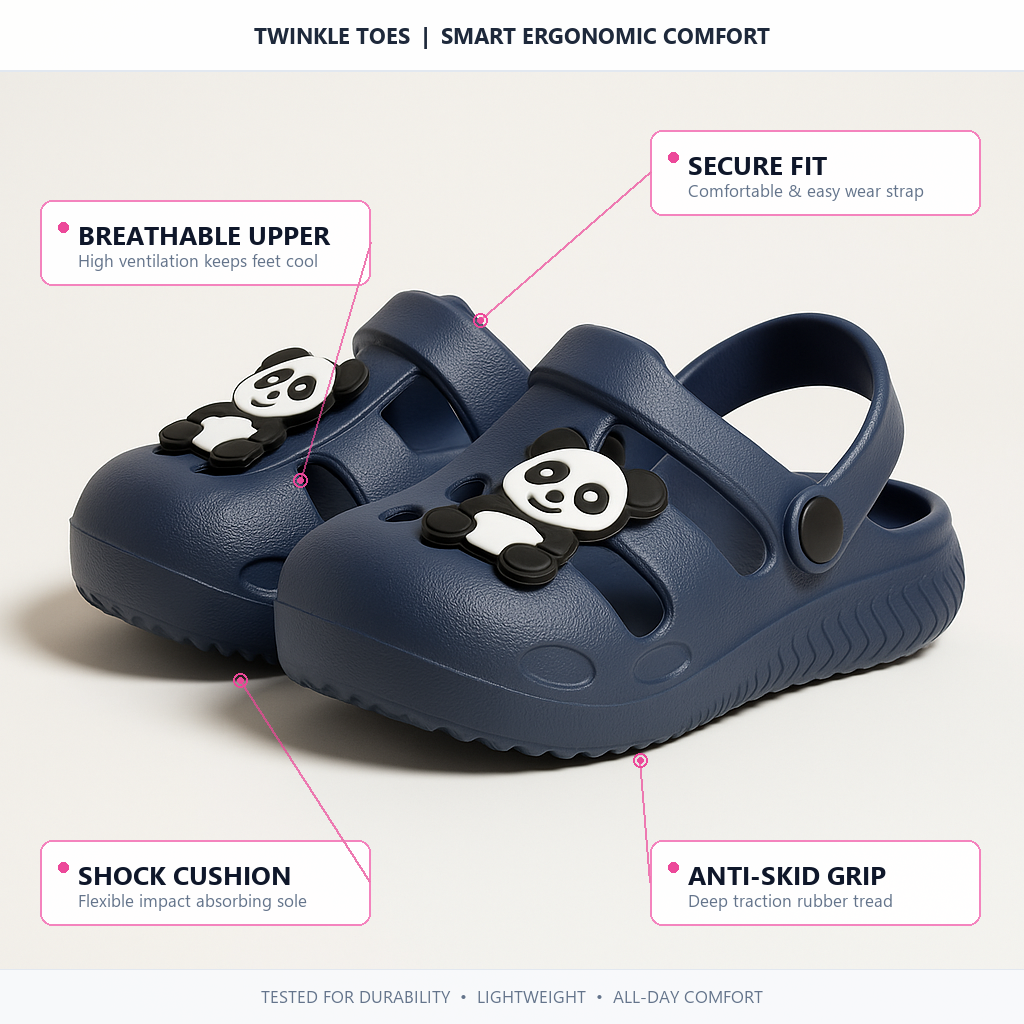
    • TOM Series Panda & Cartoon Clogs: Molded from premium shock-absorbing EVA with deep water-dispersing tread grooves and playful charms kids love.
    • Explorer Cut-Out Summer & Rainy Sandals: Fast-drying neoprene straps with TPR non-slip walking outsoles.
    • Quick-Clean Colorways: Bright, stain-resistant finishes that stay vibrant season after season.

    Discover our full range of kids waterproof clogs and rainy sandals ready for monsoon adventures.


    Frequently Asked Questions (FAQ)

    Q1. What are the best shoes for kids during the rainy season in India?

    Lightweight, closed-cell EVA foam clogs with pivoting heel straps and water-resistant cut-out sandals with non-slip rubber soles are the best choice. They are 100% waterproof, rinse clean in seconds, and dry almost immediately.

    Q2. Are Crocs and EVA clogs safe for kids to wear in the rain?

    Yes, provided they feature grooved non-slip bottom treads and are worn with the backstrap secured around the heel. Backstraps prevent the shoe from sliding off in muddy puddles.

    Q3. How do I stop my child’s feet from smelling during the monsoon?

    Wash feet with antibacterial soap after every outdoor trip, dry thoroughly between the toes, dust feet with antifungal powder, and avoid wearing damp shoes or socks.

    Q4. Are rubber gumboots good for everyday school wear?

    Heavy gumboots can make children’s feet sweat excessively in warm monsoon weather and cause leg fatigue. For daily school commutes, lightweight waterproof clogs or fast-drying closed-toe sandals are more practical.
  • Breathable Summer Sandals for Kids in India: Keep Little Feet Cool, Fresh & Blister-Free

    Breathable Summer Sandals for Kids in India: Keep Little Feet Cool, Fresh & Blister-Free

    Indian summers can be brutally hot and humid. Whether you are dealing with blistering 42°C dry heat in North India or oppressive 85% coastal humidity in Mumbai, Chennai, and Kolkata, dressing children for warm weather requires serious thought.

    While parents diligently pick out lightweight cotton shorts and linen t-shirts, footwear is all too often forgotten.

    Packing energetic toddler feet into thick, closed synthetic sneakers or padded school shoes during peak summer causes severe heat trapping. Children’s feet have a higher density of sweat glands than adults. Within an hour of outdoor running, sweat accumulates inside socks, leading to:

    • Painful friction blisters between tiny toes
    • Itchy prickly heat and fungal foot rashes
    • Extremely pungent foot odor that fills the entire home

    If you are looking for the best breathable summer sandals for kids in India, you need footwear that allows 360-degree ventilation without sacrificing ankle stability and toe protection.

    In this summer footwear guide, we explore the top summer styles (from hybrid sneaker-sandals to lightweight waterproof clogs), key safety features to look for, and how to prevent sweaty feet in toddlers.


    1. The Dilemma: Open Flip-Flops vs. Closed Summer Sandals

    When the weather turns scorching, many parents instinctively buy inexpensive open thong flip-flops (chappals) or flimsy flat slide sandals.

    However, pediatric podiatrists strongly advise against open flip-flops for toddlers and young children for 3 crucial reasons:

    1. Toe Stubbing & Playground Hazards: Children do not walk in slow, careful strides—they scramble, kick stones, and sprint. Open sandals leave bare toes completely vulnerable to painful stubbed toenails, scratches, and bicycle pedal scrapes.

    2. Toe Clawing & Gait Distortion: Because flip-flops have no rear heel strap, the child must curl (claw) their toes with every step just to keep the sandal from sliding off, disrupting natural walking balance.

    3. Trip & Fall Risk: Loose, floppy sandals easily catch on staircase edges, slide steps, and uneven pavements.

    The Ideal Solution: The “Hybrid Cut-Out Sneaker Sandal”

    The gold standard for Indian summers is the hybrid cut-out sneaker-sandal (like the TwinkleToes 102 series). It features:

    • A closed rubber front bumper to protect toes
    • Wide lateral cut-outs that allow fresh air to flow freely across the foot
    • A firm back heel cup with adjustable Velcro straps for a locked-in fit
    Footwear Type Air Circulation Toe Protection Ankle Stability Playground Safety
    Open Thong Flip-Flops 10/10 0/10 (High injury risk) 0/10 (Slides off) ❌ Dangerous
    Traditional Closed Sneakers 3/10 (Hot & sweaty) 10/10 9/10 ⚠️ Overheats in summer
    EVA Foam Clogs (Backstrap) 8/10 8/10 6/10 ✅ Great for casual/water play
    Hybrid Cut-Out Sneaker Sandals 9/10 9/10 9/10 🌟 Best all-around pick

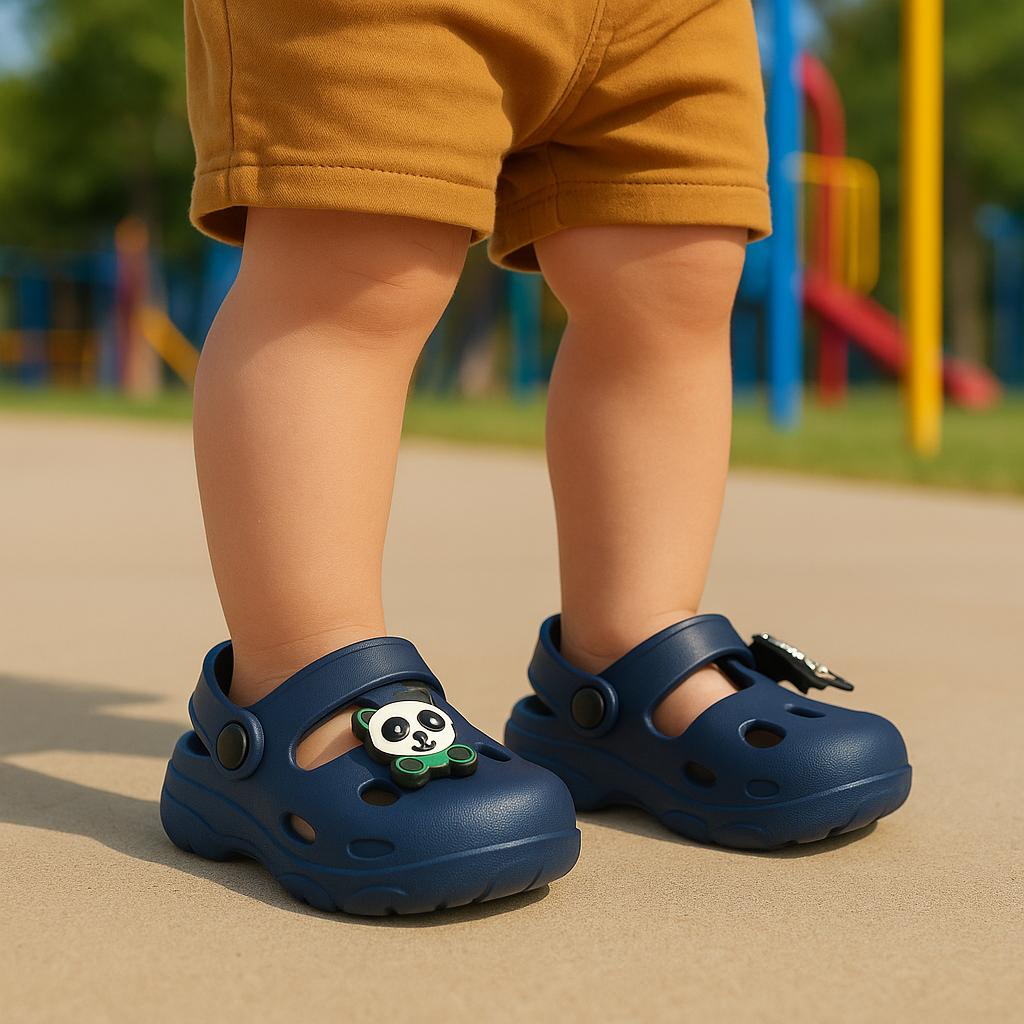
    Kids Waterproof Summer Clogs with Non-Slip Grip
    Slip-resistant, waterproof EVA clogs provide quick-drying comfort for beach holidays, splash pads, and rainy summer days.

    2. 5 Must-Have Features in Summer Kids Sandals in India

    To ensure your child stays comfortable through summer vacations, play dates, and outdoor trips, look for these 5 non-negotiable design elements:

    ① Closed Protective Toe Bumper

    Toddlers have a wide base of support and low clearance when stepping over obstacles. A durable rubber toe bumper shields developing toenails and bones when they trip over gravel, roots, or furniture.

    ② Quick-Drying & Water-Friendly Materials

    Summer activities often involve spontaneous water balloon fights, sprinkler splashing, garden hoses, and beach vacations. Look for sandals made from hydrophobic quick-drying neoprene, woven nylon webbing, or closed-cell EVA foam. These materials dry in minutes and do not stay soggy or harbor mold.

    ③ Non-Slip Wet Traction Rubber Soles

    Sweaty feet + slick surfaces = slipped knees. Whether running around wet pool tiles or navigating shiny indoor mall floors, the outsole must feature deeply grooved traction siping made of soft Thermoplastic Rubber (TPR). Avoid smooth, shiny plastic bottoms that turn into ice skates on wet tiles.

    ④ Anti-Chafe Soft Neoprene Lining

    Sweaty skin rubs against stiff plastic or rough canvas straps, creating immediate raw blisters on the heel and pinky toe. Quality summer sandals feature soft, padded neoprene or jersey linings under every strap to cushion delicate baby skin.

    ⑤ Easy On-and-Off Dual Velcro Fastening

    Kids love taking off their shoes at the park or pool. Dual adjustable Velcro straps across the instep and behind the heel allow parents (and toddlers!) to slip shoes on and off in under 5 seconds while guaranteeing a snug, custom fit.


    3. How to Prevent Sweaty, Stinky Feet in Toddlers During Summer

    Even with breathable sandals, high temperatures can cause clammy feet. Follow these simple parent hacks to keep feet fresh and healthy:

    1. Daily Foot Hygiene: Wash your child’s feet with mild antibacterial soap every evening, paying special attention to the webbing between the toes. Dry thoroughly with a clean towel before putting on bedtime socks or slippers.

    2. Avoid 100% Synthetic Socks: When sneakers are necessary, always dress kids in breathable combed organic cotton or bamboo-fiber socks that naturally wick sweat away from the skin. Avoid 100% polyester or nylon socks.

    3. Alternate Footwear Daily: Never make your child wear the exact same pair of shoes two days in a row. Shoes need at least 24 hours in a breezy, dry area to completely release trapped foot moisture.

    4. Natural Cornstarch Dusting: Before outdoor trips, lightly dust your child’s foot soles with a sprinkle of cornstarch or baby powder to absorb excess perspiration and prevent strap chafing.


    4. Top Recommended Summer Styles from TwinkleToes Kicks

    Explore TwinkleToes curated summer-ready collection designed for active Indian toddlers:

    • The Cut-Out Explorer Sneaker Sandal: Engineered with generous breeze-cooling side windows, full protective toe guard, and an ultra-flexible TPR walking sole. Perfect for playground running and evening park visits.
    • Waterproof Anti-Skid Foam Clogs: Ultra-lightweight (<90 grams), water-resistant, and equipped with a pivoting safety heel strap. The ultimate choice for monsoon puddles, beach days, and society garden play.
    • Sparkly & Sporty Summer Strappy Sandals: Stylish, cushioned, and designed with soft anti-rub strap linings for festive summer birthday parties and family dinners.

    Check out our full line of kids summer clogs and sandals, boys breathable footwear, and girls summer shoes ready for non-stop summer fun.


    Frequently Asked Questions (FAQ)

    Q1. Are sandals or closed shoes better for kids in summer?

    For hot Indian summers, breathable hybrid sandals with closed protective toe bumpers and rear heel straps are ideal. They offer 360-degree cooling airflow to prevent sweaty rashes while guarding delicate toes against cuts and scrapes.

    Q2. How can I prevent sandals from giving my toddler blisters?

    Look for sandals that feature soft neoprene or cushioned fabric linings under the straps. Ensure the straps are adjusted comfortably snug (not too tight, and not too loose to cause friction). Dusting feet with cornstarch also minimizes friction.

    Q3. Can toddlers wear sandals without socks?

    Yes, sandals with soft inner padding and smooth seam construction are designed to be worn without socks. If your child has sensitive skin prone to chafing during long walking days, you can pair them with thin, breathable cotton ankle socks.

    Q4. How do I clean smelly summer sandals and foam clogs?

    Rinse them under lukewarm water with mild liquid dish soap or baby shampoo. Use an old toothbrush to scrub footbed grooves, and let them air dry in a breezy shaded area. Avoid leaving foam clogs in hot 45°C direct sun, as extreme heat can warp EVA foam.


  • How to Wash Kids Shoes in Washing Machine Safely: The Ultimate Parent Guide

    How to Wash Kids Shoes in Washing Machine Safely: The Ultimate Parent Guide

    Between playground sandbox dives, school mud puddles, juice spills, and daily sports drills, children’s footwear takes a serious beating. In almost every household, a pair of crisp white sneakers or sporty school shoes turns muddy, gray, and smelly within weeks.

    As busy parents, the immediate question arises: Can you wash kids shoes in the washing machine? And more importantly, how to wash kids shoes in washing machine without ruining the shape, loosening the sole adhesive, or breaking your washing drum?

    The short answer is YES—most modern kids sneakers made of mesh, canvas, nylon, and synthetic textiles can be safely washed in an automatic washing machine if you follow the right prep, wash cycle, and drying rules.

    In this step-by-step master guide, we will walk you through the entire cleaning ritual: what shoe materials are machine-safe, how to prep muddy sneakers, the exact machine settings to use, and how to air-dry them rapidly without mold or bad odors.


    1. Which Kids Shoes Can (and Cannot) Go in the Washing Machine?

    Before tossing your child’s sneakers into the drum, inspect the fabric and construction. Washing the wrong material in hot water or high spin will instantly ruin it.

    ✅ Safe to Machine Wash:

    • Canvas & Cotton Sneakers: School PT shoes, slip-ons, and casual canvas trainers.
    • Knitted Mesh Running Shoes: Everyday sports sneakers and athletic trainers with breathable fabric uppers.
    • Synthetic Polyester / Nylon Trainers: Lightweight school joggers and playground trainers.
    • Fabric Slip-ons & Clogs Straps: Textile upper slip-ons.

    ❌ Never Machine Wash:

    • Genuine Leather & Suede Shoes: Water will cause leather to warp, shrink, and crack, while suede texture gets permanently destroyed. Clean these only with a damp microfiber cloth and dedicated leather balm.
    • Battery-Operated LED Light-Up Shoes: Water ingress will short-circuit internal circuits and corrode the lithium coin batteries. Hand-wipe with a damp towel instead (see our guide on LED light shoe care).
    • Shoes with Embellishments: Delicate beads, glued sequins, glitter foils, or delicate lace trims.
    Footwear Type Machine Washable? Recommended Cleaning Method
    Breathable Mesh Sneakers ✅ Yes Gentle cycle, cold water, mesh laundry bag
    White Canvas School Shoes ✅ Yes Cold water, mild detergent + baking soda scrub
    LED Light Sneakers ❌ No Spot clean upper with damp cloth & mild soap
    Formal Leather School Shoes ❌ No Wipe clean, apply cream polish & buff
    EVA Foam Clogs & Slides ⚠️ Hand wash preferred Warm water + soap scrub (machine heat shrinks EVA)

    2. Step-by-Step: How to Prep Kids Shoes Before Washing

    Dumping shoes covered in wet mud directly into your washing machine is the quickest way to clog your drain pump or create a muddy sludge bath inside your drum. Follow these 4 essential prep steps first:

    Step 1: Remove Thick Mud and Playground Sand

    Allow wet mud to dry completely for 30 minutes. Once dry, take the shoes outdoors and knock the outsoles together over a bin. Use an old toothbrush or a stiff dish brush to dislodge gravel, pebbles, and dry soil wedged in the rubber sole treads.

    Step 2: Unlace the Shoes

    Never wash sneakers with the laces tightly tied. Pull the shoelaces completely out. Washing laces separately prevents dirty water from being trapped under eyelets and ensures the tongue is cleaned thoroughly. You can place the laces inside a small mesh pouch or hand-wash them in a bowl with detergent.

    Step 3: Remove the Insoles (Footbeds)

    Most good kids sneakers feature removable EVA or memory foam insoles. Take them out! Insoles retain gallons of soapy water and take days to dry if left inside. Hand-wash insoles with a soft sponge and mild soap, then air dry.

    Step 4: Pre-Treat Stubborn Grass & Food Stains

    For tough stains on white soles or fabric (such as grass stains, mud lines, or ketchup spills), apply a dab of liquid detergent or a paste made of 1 tablespoon baking soda + 1 tablespoon water. Rub gently with an old toothbrush and let it sit for 15 minutes before the wash cycle.


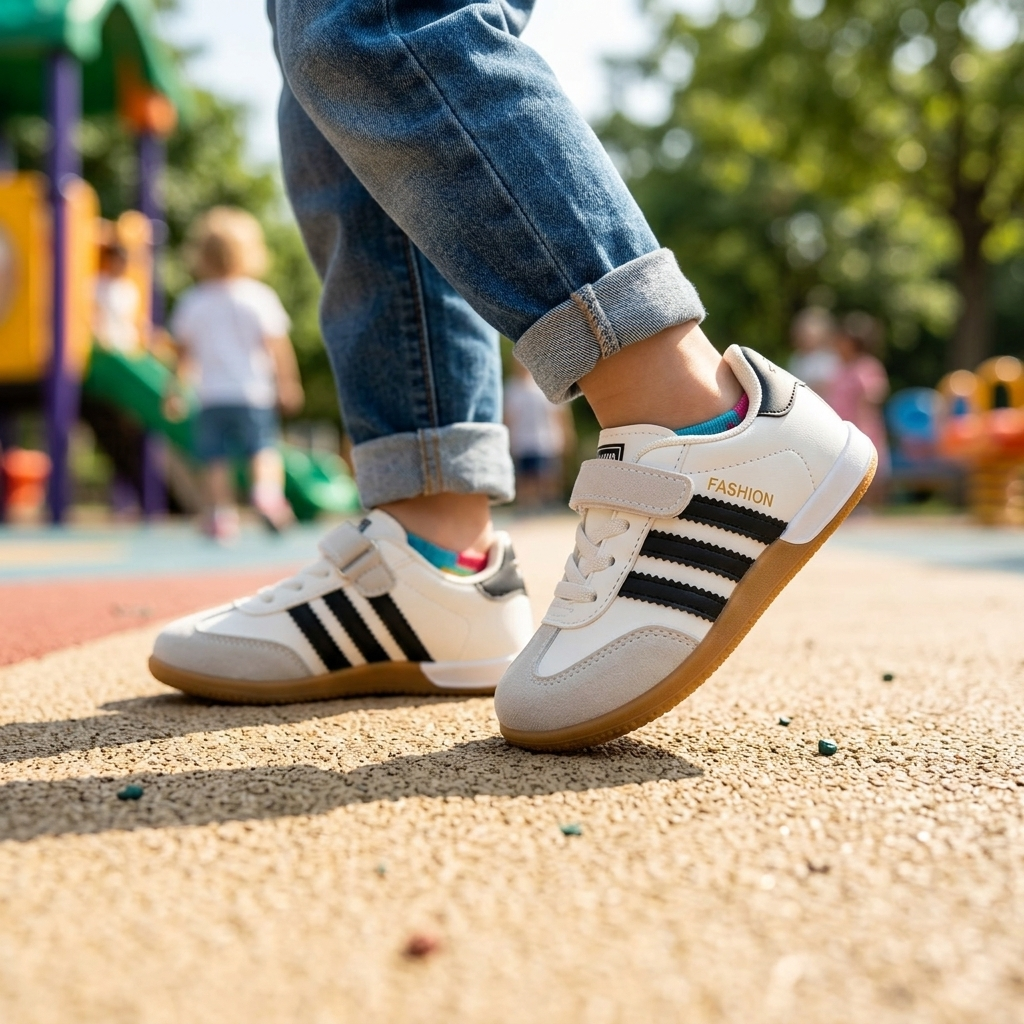
    Clean Kids White Sneakers After Washing Machine Cycle
    Always secure sneakers inside a padded wash bag or wash alongside 2–3 old towels to balance the drum.

    3. The Golden Machine Settings: Temperature, Detergent & Cycle

    To protect the shoe adhesive (glue) from dissolving and prevent fabric shrinkage, follow these exact settings:

    ① Always Use a Mesh Laundry Bag

    Never let shoes rattle freely against the inner steel drum. Place each shoe inside a zippered mesh laundry bag or an old zippered pillowcase tied tightly with a hairband.

    ② Add Buffer Towels to Balance the Drum

    Place 2 to 3 old bath towels or cleaning cloths inside the machine with the shoes. The towels act as shock absorbers, preventing the shoes from violently banging against the drum, which eliminates noisy thuds and prevents machine unbalancing errors.

    ③ Cold Water Only (30°C / 85°F or Below)

    Hot or warm water dissolves the industrial glue bonding the rubber outsole to the fabric upper, resulting in peeling soles. Always select Cold Wash.

    ④ Select Gentle / Delicates Cycle

    Choose the Delicate, Hand Wash, or Wool cycle. These cycles utilize slow drum agitation and gentle rhythm, keeping the shoe’s structural heel cup and toe box intact.

    ⑤ Low Spin Speed (< 600 RPM)

    High spin cycles (1000–1400 RPM) place massive centrifugal torque on the shoe seams and risk bending internal shank supports. Turn down your machine spin to low (400–600 RPM) or skip spin entirely.

    ⑥ Use Liquid Detergent (No Bleach, No Fabric Softener)

    • Use Liquid Detergent: Powder detergents often fail to dissolve completely in cold water and leave chalky white streaks on shoe fabric.
    • Avoid Chlorine Bleach: Bleach weakens synthetic fibers and turns white rubber midsoles unsightly yellow.
    • Avoid Fabric Softeners: Softeners coat athletic mesh fibers with a waxy residue that traps sweat bacteria and ruins shoe breathability.

    4. How to Remove Bad Odor from Smelly Kids Shoes

    Kids have over 250,000 sweat glands in their feet, producing almost a cup of moisture during intense play. When trapped inside damp socks and sneakers, bacterial growth triggers that notorious pungent smell.

    Here is how to de-stink kids shoes completely:

    1. Vinegar Rinse in the Wash: Add half a cup of distilled white vinegar into the fabric softener compartment of your machine. Acetic acid safely breaks down alkaline odor compounds and disinfects sweat bacteria without harming colors.

    2. The Baking Soda Overnight Reset: For dry shoes between washes, sprinkle 1 tablespoon of baking soda inside each shoe overnight. Shake it out into the bin the next morning.

    3. Sun & Air Treatment: Remove insoles after every school day and leave the sneakers in a well-ventilated area rather than inside a dark, enclosed shoe rack.


    5. How to Dry Kids Shoes Fast Without Ruining Them

    Proper drying is 50% of the battle. Never, under any circumstances, place kids shoes inside an electric clothes tumble dryer. The high rotational heat will melt sole adhesives, shrink uppers, and warp footbeds.

    Follow these proven steps for rapid, safe drying:

    Step 1: Drain Excess Water

    After removing shoes from the wash, press them gently with an old dry towel to squeeze out excess water from the tongue and collars.

    Step 2: The Newspaper / Paper Towel Stuffing Trick

    Crumple balls of plain newspaper, tissue paper, or clean unprinted paper towels and stuff them snugly inside each shoe right up to the toe box.

    • The paper absorbs moisture from the interior while preserving the shoe’s rounded toe profile.
    • Tip: Replace the damp paper balls after 2 to 3 hours with fresh dry ones for 2x faster drying.

    Step 3: Position in a Ventilated Breezy Area

    Place the shoes in a well-ventilated spot—near an open window, in front of an electric pedestal fan, or on a covered balcony.

    💡 Pro Tip:
    Avoid Direct Scorching Sunlight: While indirect sunlight naturally sanitizes, leaving dark or brightly colored sneakers in blistering 40°C summer noon sun will bleach vivid colors and make rubber brittle. Always dry in warm shade with good airflow.

    Summary Checklist for Machine-Washing Kids Shoes

    • Knock off dry mud and stones from sole treads.
    • Remove laces and foam footbed insoles.
    • Pre-treat grass/mud stains with liquid soap or baking soda paste.
    • Put shoes inside a mesh wash bag.
    • Add 2–3 old towels to balance the drum.
    • Use mild liquid detergent + 1/2 cup white vinegar for odor.
    • Wash on Cold Water (30°C) on Delicates Cycle.
    • Set spin to low (<600 RPM).
    • Stuff with paper towels and air-dry under a fan in warm shade.

    Explore our collection of machine-friendly, breathable boys sneakers and girls lightweight trainers engineered with high-tensile stitching and non-marking TPR outsoles built for active play.


    Frequently Asked Questions (FAQ)

    Q1. Can I wash kids sneakers in the washing machine every week?

    It is best not to machine-wash sneakers weekly. Frequent drum agitation gradually degrades cushion midsoles and stitching. Machine-wash once every 4 to 6 weeks for deep cleaning, and use a damp cloth or soft brush for daily maintenance.

    Q2. How do I keep white kids shoes from turning yellow after washing?

    Shoes turn yellow when alkaline detergent residue is exposed to sunlight during drying. To prevent yellow stains, rinse thoroughly, add vinegar to the rinse cycle to neutralize detergents, and dry the shoes away from harsh direct sun.

    Q3. Can I wash kids shoes with clothes?

    Never wash dirty kids shoes with regular clothes or bedsheets. Always wash them separately with dedicated utility cleaning towels or old rags to prevent dirt and bacteria from transferring to garments.

    Q4. How long do kids shoes take to air dry completely?

    Depending on humidity and airflow, lightweight mesh sneakers typically dry in 12 to 18 hours when stuffed with paper towels in front of a fan. Thick canvas or padded skate shoes may require 24 hours.


  • Are Crocs and Clogs Good for Toddlers Daily? What Parents Need to Know

    Are Crocs and Clogs Good for Toddlers Daily? What Parents Need to Know

    Walk into any playground, nursery, or society park in India, and you will see countless little feet sporting colorful foam clogs decorated with cute cartoon charms.

    Parents adore them because they slip on in 2 seconds, wash clean under a running tap, and dry almost immediately during messy monsoon play.

    However, many pediatricians and podiatrists have raised concerns about children wearing clogs 24/7. This has led many parents to ask: Are crocs and clogs good for toddlers’ daily wear?

    In this guide, we dive into the science of children’s foot health, examine the pros and cons of EVA foam clogs, and explain when to choose waterproof lightweight rainy shoes versus breathable mesh sneakers.


    1. Why Parents and Kids Love Foam Clogs

    There is no denying the practical benefits that make EVA (Ethylene-Vinyl Acetate) clogs an Indian household essential:

    • 100% Waterproof & Quick-Drying: Perfect for Indian monsoons, beach vacations, splash pools, and bathroom trips.
    • Featherweight Construction: A pair of kids’ EVA clogs weighs under 120 grams, making them virtually weightless.
    • Odor-Resistant & Easy to Clean: Mud, juice spills, and dirt wash off with plain tap water—no scrubbing needed.
    • Wide Toe Box: Unlike narrow sneakers, clogs offer generous width for natural toe splay.
    • Fun Personalization: Kids love decorating the ventilation holes with their favorite cartoon charms and badges.

    2. The Podiatrist’s Verdict: Are Clogs Safe for Everyday Walking?

    While clogs are fantastic for specific situations, pediatric orthopedic surgeons advise against making them your child’s only daily footwear for active play.

    Here is why:

    1. Lack of Heel Security (Heel Slippage)

    Even when using the pivoting backstrap, clogs fit loosely around the heel. When a child sprints, stops suddenly, or climbs jungle gyms, their foot slides inside the shoe. This forces the child to “claw” their toes downward to keep the shoe from flying off, which can fatigue the arches and calf muscles.

    2. Minimal Arch & Ankle Support

    Foam clogs have a relatively flat interior footbed. While sufficient for leisurely walking, they do not offer the torsional stability and ankle support needed for sports like football, cricket, running, or skating.

    The Golden Rule for Parents:

    Use EVA clogs for water play, rainy days, casual park strolls, and beach trips.

    Use breathable mesh sneakers or high-ankle shoes for full-day school, playground sports, and long walking journeys.


    Activity / Scenario Best Footwear Choice Why?
    Puddle jumping & Rainy monsoon days EVA Foam Clogs / Sandals 100% waterproof, prevents soggy socks, dries in minutes
    Beach, Pool, Bathroom trips EVA Foam Clogs Anti-microbial, doesn’t absorb water
    School playground & PE sports Breathable Mesh Sneakers Locked heel counter, shock absorption, prevents ankle rolls
    Cycling, Skating, Climbing High-Ankle Casual Sneakers Protects ankle bones, maximum grip pedal traction

    Summer Clogs and Lightweight Sandals for Kids
    TwinkleToes Kicks Summer Clogs & Sandals collection made with non-toxic, skin-friendly EVA foam.

    3. Best Practices When Buying Clogs for Toddlers in India

    If you are buying foam clogs for your little one, follow these guidelines to maximize safety:

    ① Always Use the Backstrap (Heel Mode)

    Never let toddlers wear clogs in “slide mode” (with the strap flipped forward) while running outdoors. Always swing the strap behind the heel to secure the foot and prevent tripping.

    ② Choose Non-Toxic, High-Grade EVA

    Avoid cheap, pungent-smelling PVC plastic footwear sold on road stalls. High-grade EVA foam is non-toxic, hypoallergenic, and provides bounce without releasing harmful plasticizers against bare skin.

    ③ Check the Sole Tread (Anti-Skid)

    Ensure the bottom of the clog has deep drainage channels and rubber-textured grip pads. Smooth, flat-bottomed clogs become dangerously slippery on wet kitchen tiles and mossy monsoon roads.


    4. When to Switch to Breathable Mesh Sneakers

    When your child is engaged in high-impact activities—like running on concrete, sports coaching, or full days at preschool—breathable mesh running shoes are the superior choice:

    • Torsional Rigidity: Prevents feet from twisting awkwardly during sudden turns.
    • Airflow Knitting: Prevents sweaty feet in humid Indian summers, reducing athlete’s foot and skin irritation.
    • Reinforced Toe Bumper: Shields delicate toes from painful kicks against stones or furniture.

    5. Discover TwinkleToes All-Weather Footwear Range

    At TwinkleToes Kicks, we believe in the right shoe for the right occasion:

    • TwinkleToes EVA Clog Series: Super-cushioned, molded arch support, non-slip textured outsole, and vibrant dual-tone designs with complimentary charms.
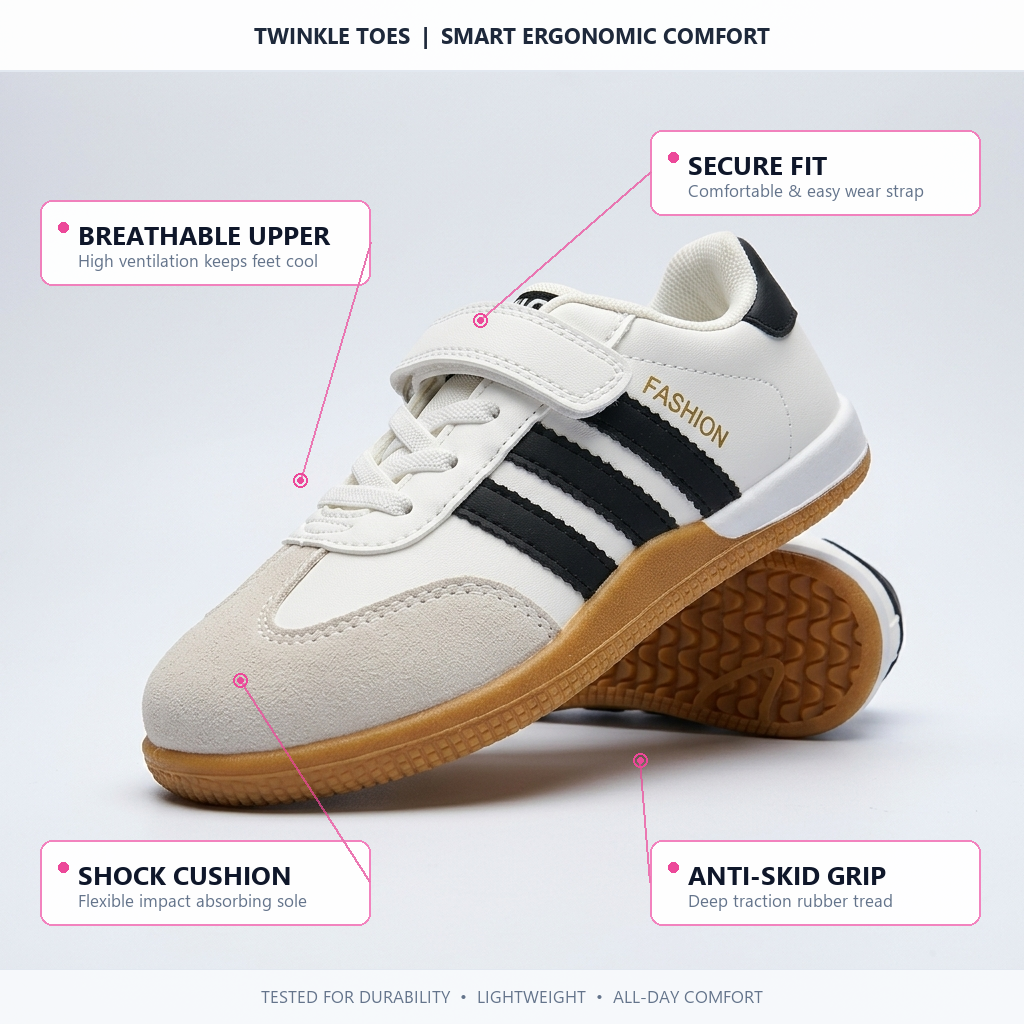
    • TwinkleToes Athletic Sneakers Series: Ultra-breathable honeycomb mesh, double-density TPR shock absorption, and secure Velcro fastening.

    👉 Shop the TwinkleToes Clogs & Sandals Collection Here


    6. Frequently Asked Questions (FAQ)

    Q1. Can toddlers wear Crocs or clogs without socks?

    Yes, for casual water play or warm summer days. However, if your child sweats heavily or is wearing them for longer walks, thin breathable cotton socks will prevent friction blisters from rubber rubbing against damp skin.

    Q2. Are EVA clogs good for rainy season in India?

    Yes! High-grade EVA clogs are the #1 footwear choice for Indian monsoons because they are 100% waterproof, washable, do not harbor smelly fungus like soaked canvas shoes, and dry in minutes.

    Q3. At what age can a child start wearing clogs?

    Children can begin wearing clogs once they are confident, steady walkers—usually around 18 months to 2 years of age. For early pre-walkers (under 18 months), stick to flexible, soft-sole first-walker shoes with secure collars.