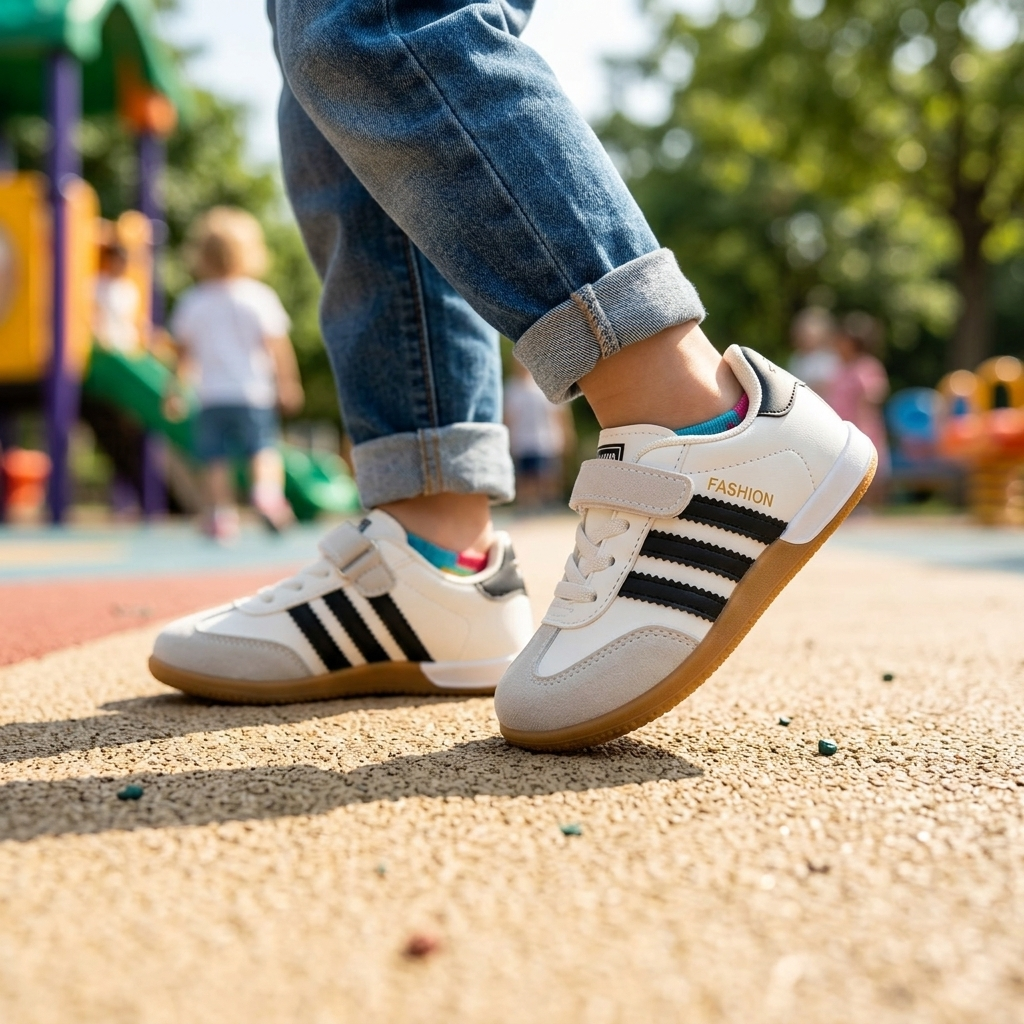
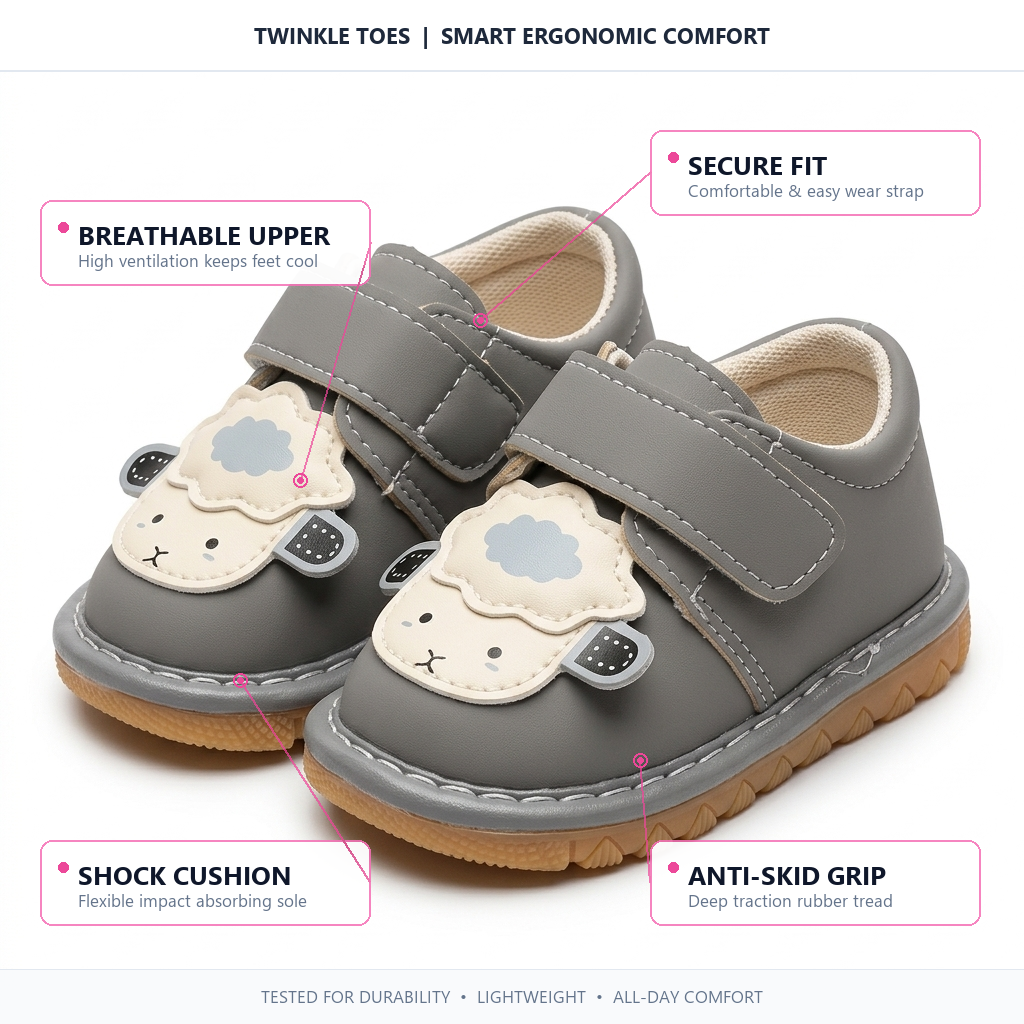
If you have spent any time recently in modern parenting communities or pediatric foot health forums, you have likely heard a major buzzword: Barefoot Shoes (also known as minimalist footwear).
For generations, well-meaning shoe companies convinced parents that babies and toddlers needed heavy, stiff, thick-soled boots with rigid arch supports to “shape” their feet.
However, modern pediatric biomechanics and sports medicine have completely turned that outdated philosophy upside down. Research now shows that the best shoe for a developing child is one that mimics being completely barefoot!
In India, where children transition from crawling indoors to walking on rough pavements, asphalt, and playground gravel, parents are asking: What are barefoot shoes for toddlers, and why are they so essential for healthy posture and balance?
In this science-backed guide, we will unpack the biology of toddler feet, explain the 4 golden pillars of barefoot footwear, and help you choose the best minimalist first-walking shoes in India.
1. What Exactly Is a “Barefoot Shoe”?
A barefoot or minimalist shoe is not a shoe with holes or an absence of protection. Rather, it is footwear engineered to interfere as little as possible with the natural movement, shape, and sensory perception of the human foot.
While traditional children’s shoes often feature thick elevated heels, stiff arch shanks, and tapered pointy toes, a true barefoot shoe delivers on four non-negotiable principles:
① Zero-Drop Sole (Completely Flat)
In a zero-drop shoe, the heel and the toe are at the exact same height from the ground. Traditional sneakers often elevate the heel by 8–15mm, which shifts a toddler’s center of gravity forward, forcing the hips and lower back to compensate and distorting natural posture.
② Anatomical Wide Toe Box
A barefoot shoe mirrors the natural fan-shape of a baby’s foot. The toe box is generously rounded and wide, allowing all five toes to splay outwards without constraint when pushing off the floor.
③ Maximum Flexibility (Twist & Roll)
A true barefoot shoe can be rolled up like a sushi roll and twisted effortlessly in any direction with two fingers. It moves with the foot, rather than forcing the foot to bend inside a rigid container.
④ Thin, Sensory-Rich Sole (Proprioception)
The sole is thin (between 3mm to 6mm) yet puncture-resistant. It shields little feet from hot pavement, glass, and thorns while allowing the thousands of nerve endings on the sole to feel ground textures and send neurological feedback to the developing brain.
2. The Science: Why Barefoot Walking Builds Stronger Feet
The human foot is an engineering marvel containing 26 bones, 33 joints, and over 100 muscles, tendons, and ligaments.
At birth, a baby’s foot is not a miniature adult foot—it is composed primarily of soft cartilage. The bones do not fully ossify (harden) until a child reaches their late teenage years!
Here is why barefoot-style footwear is transformative for young toddlers:
1. Natural Arch Development: Just as lifting weights builds bicep muscles, flexing the foot against the floor activates the intrinsic foot flexor muscles. Packing a healthy foot into a stiff artificial arch brace causes those muscles to atrophy from disuse.
2. Superior Balance & Agility (Proprioception): The bottom of the foot is one of the most nerve-dense sensory organs in the human body. Feeling the contours of the ground helps toddlers make instant micro-adjustments in their ankles, drastically reducing trips, slips, and clumsy falls.
3. Prevention of Deformities: Narrow, tapered toe boxes in commercial shoes are the primary cause of bunions (hallux valgus), hammer toes, and ingrown toenails later in life. Wide barefoot toe boxes keep the big toe perfectly straight.
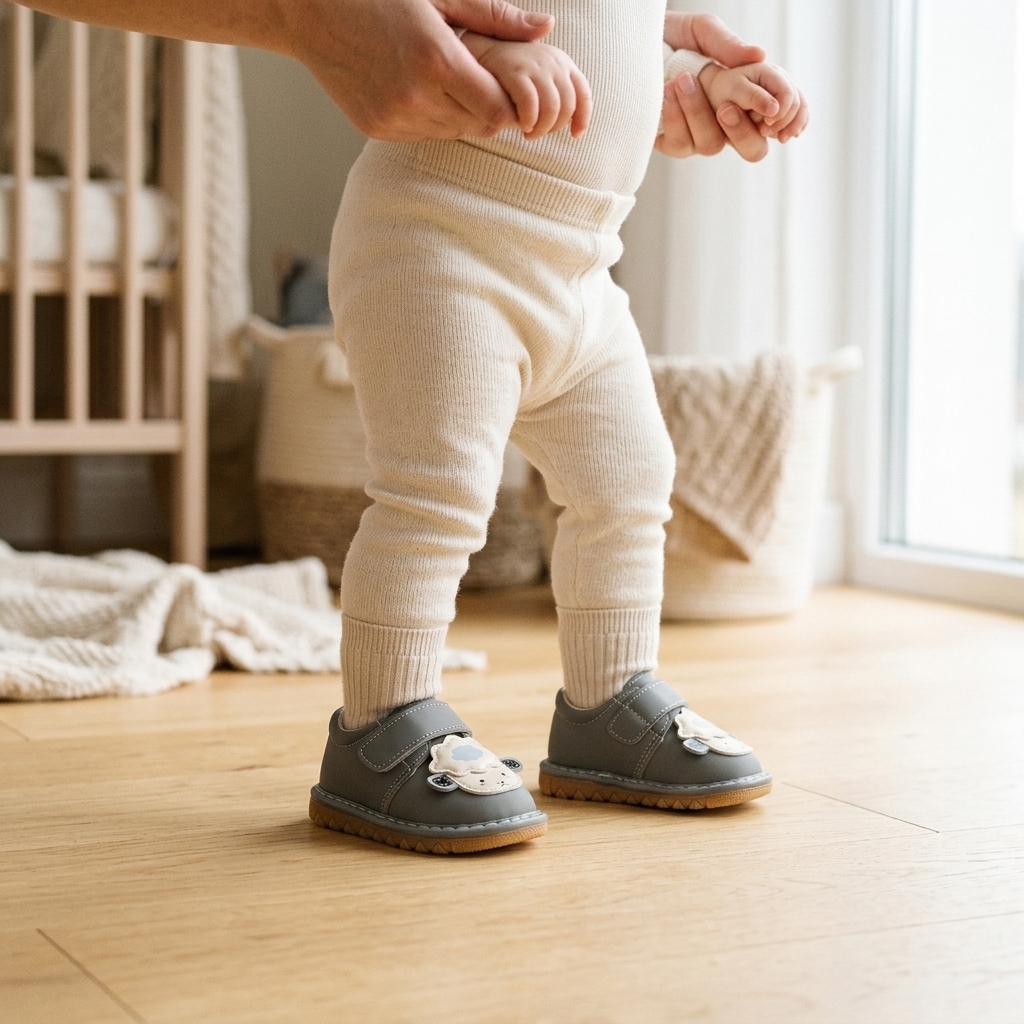
3. Barefoot Shoes vs. Traditional Stiff Shoes: Feature Breakdown
| Feature | True Barefoot / Minimalist Shoe | Traditional Commercial Shoe |
|---|---|---|
| Heel Elevation | Zero-Drop (100% flat from heel to toe) | Elevated heel (5mm to 15mm lift) |
| Toe Box Shape | Wide, fan-shaped (mirrors foot anatomy) | Narrow, tapered, or pointy |
| Sole Flexibility | Can fold in half and twist 360 degrees | Stiff, rigid shank with minimal bend |
| Sole Thickness | Thin (3mm to 6mm) for sensory ground feel | Thick, chunky foam (15mm to 30mm) |
| Arch Support | Natural (allows foot muscles to strengthen) | Artificial rigid foam or plastic wedge |
| Shoe Weight | Ultra-lightweight (<90 grams) | Heavy (180g to 300g per shoe) |
4. Are Barefoot Shoes Safe for Indian Roads and Terrains?
A common question among Indian parents is: “Our streets have gravel, sharp stones, broken glass, and dog thorns. Is a barefoot shoe really safe outdoors?”
The answer is an emphatic YES—provided you choose high-quality barefoot shoes with a puncture-resistant Thermoplastic Rubber (TPR) outsole.
- A high-grade barefoot sole is thin enough to flex, yet tough enough to prevent sharp gravel or nails from piercing through.
- The flexible rubber outsole provides high-friction traction on smooth marble tiles, hot tarmac, and wet playground grass.
- Indoors on clean floors, allow your child to go completely barefoot. When stepping outside, slip on their barefoot minimalist shoes for complete protection without sensory deprivation.
5. How to Transition Your Toddler to Barefoot Shoes
If your child has previously worn stiff, heavily cushioned sneakers, transition them gradually:
1. Start with Daily Barefoot Indoor Play: Encourage your child to walk barefoot on varied safe indoor surfaces: wool rugs, foam mats, wooden floors, and cool tiles.
2. Begin with Short Outdoor Walks: Have your toddler wear their barefoot shoes for 30-minute park visits or playground sessions, allowing their calf muscles and foot tendons to adapt to the zero-drop flat posture.
3. Inspect Footwear Regularly: Because barefoot shoes have thin, responsive soles, check the soles every 3 months for signs of excessive outer wear or outgrown length.
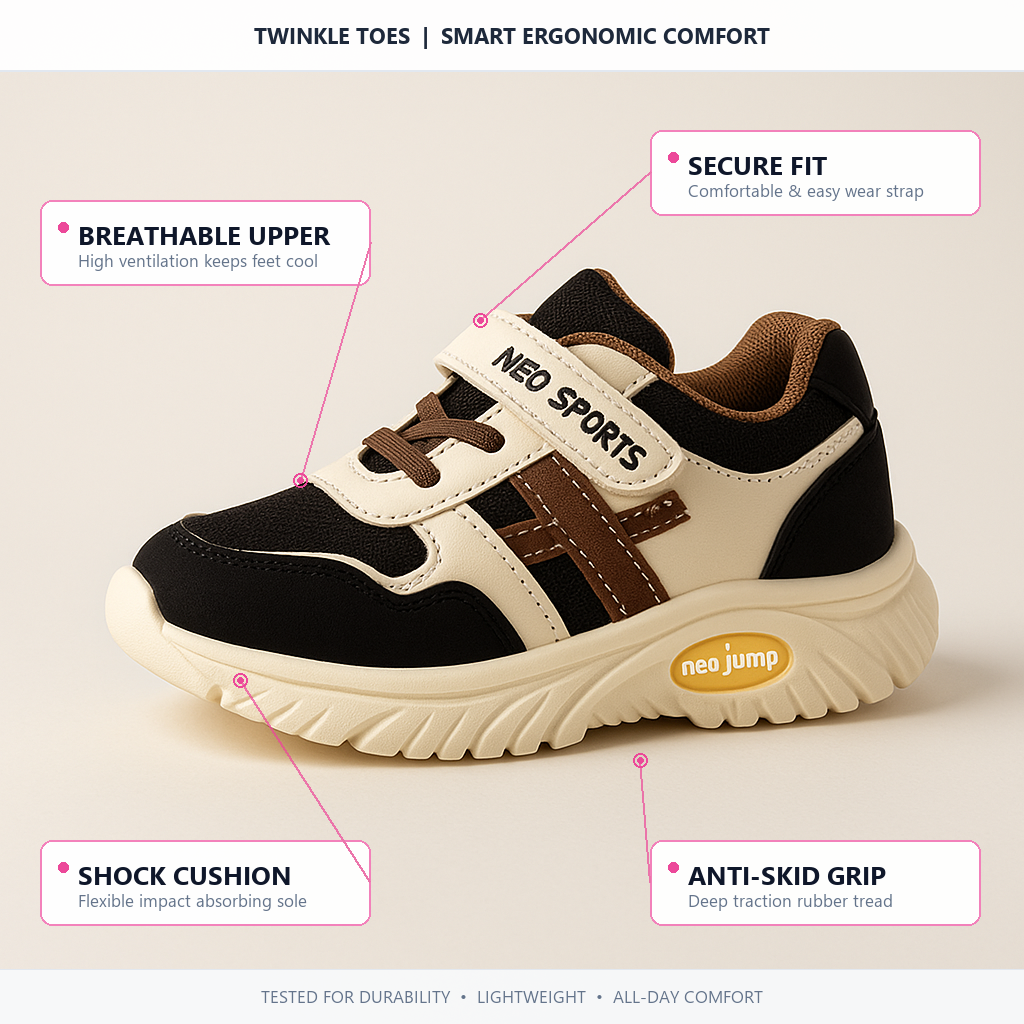
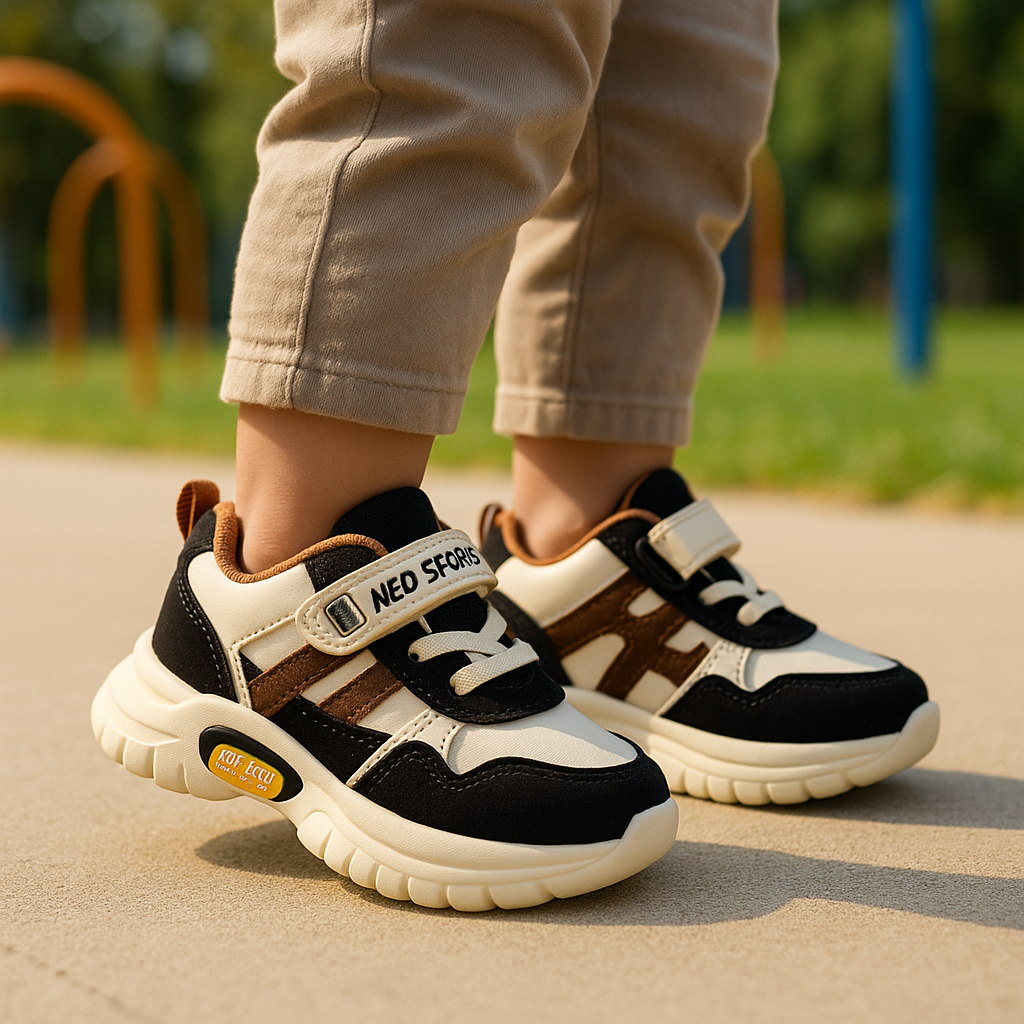
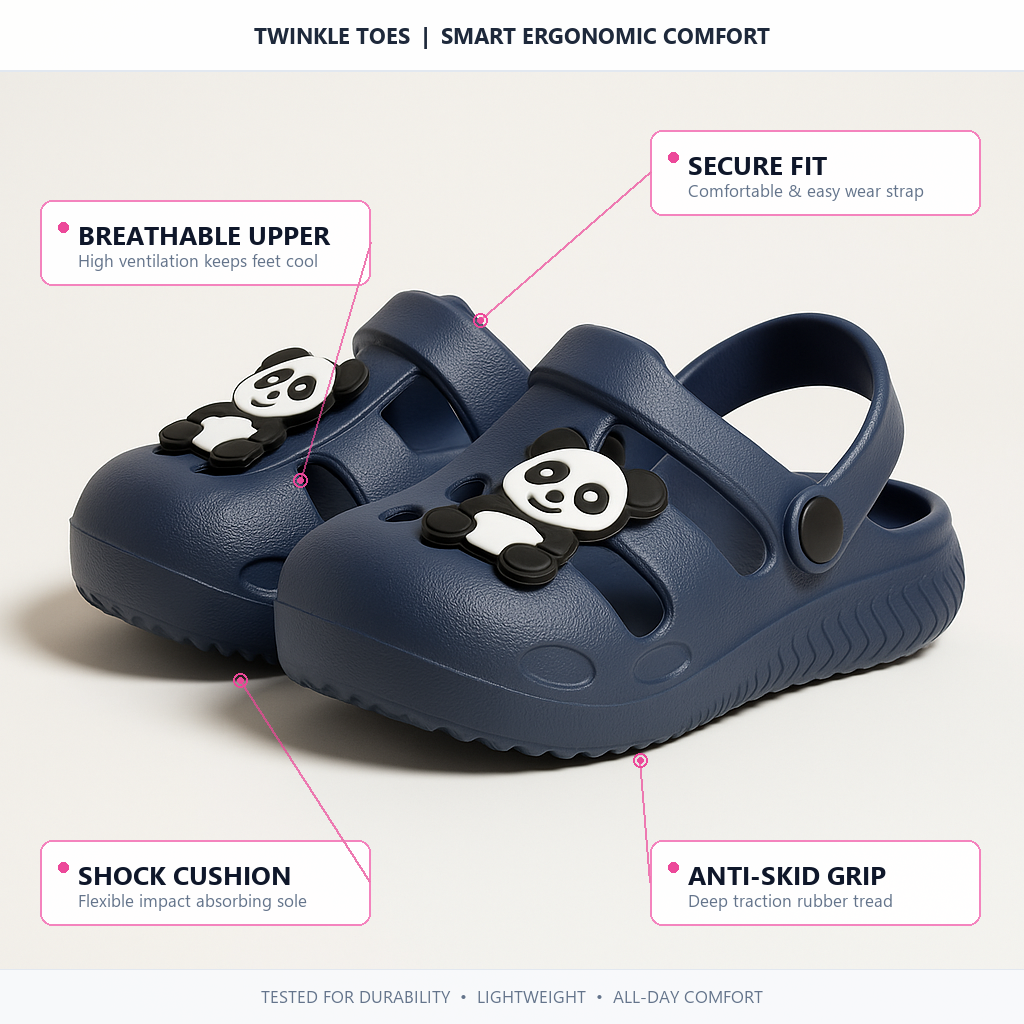
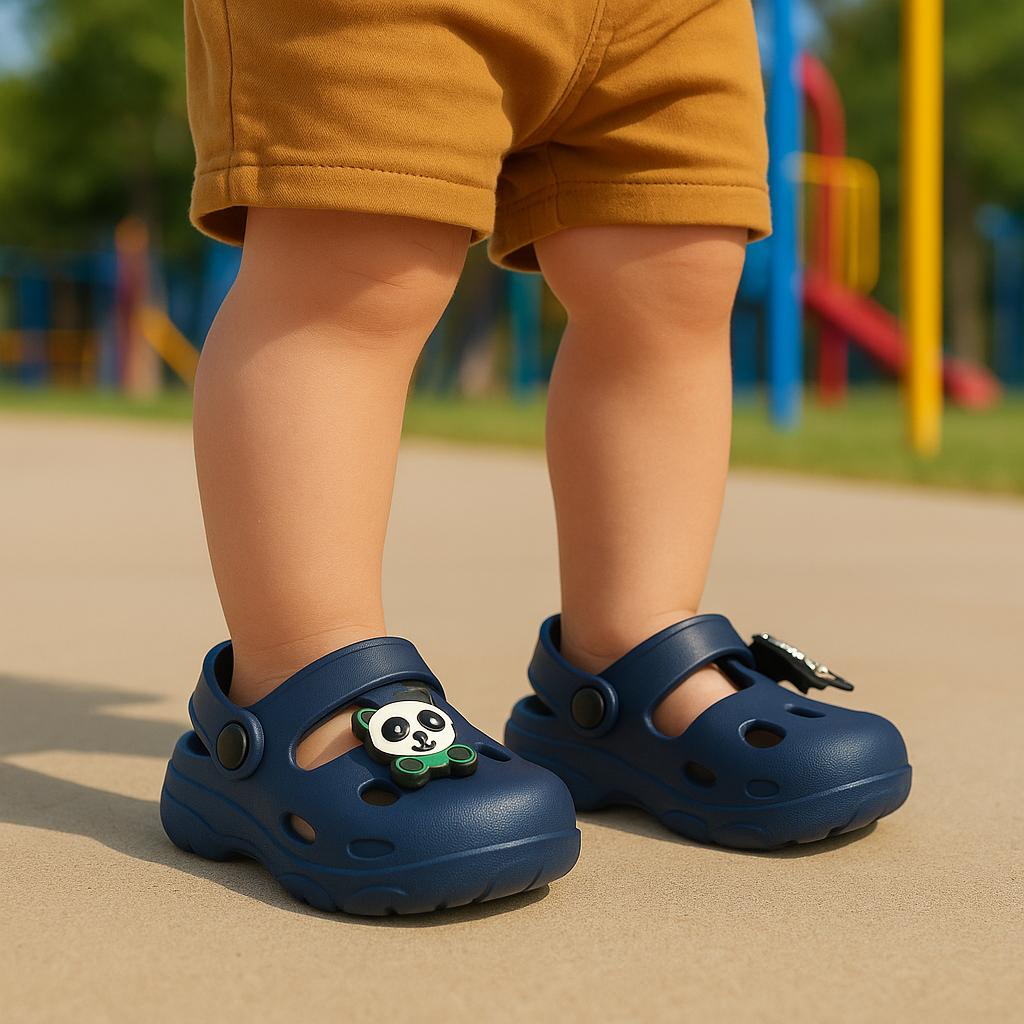
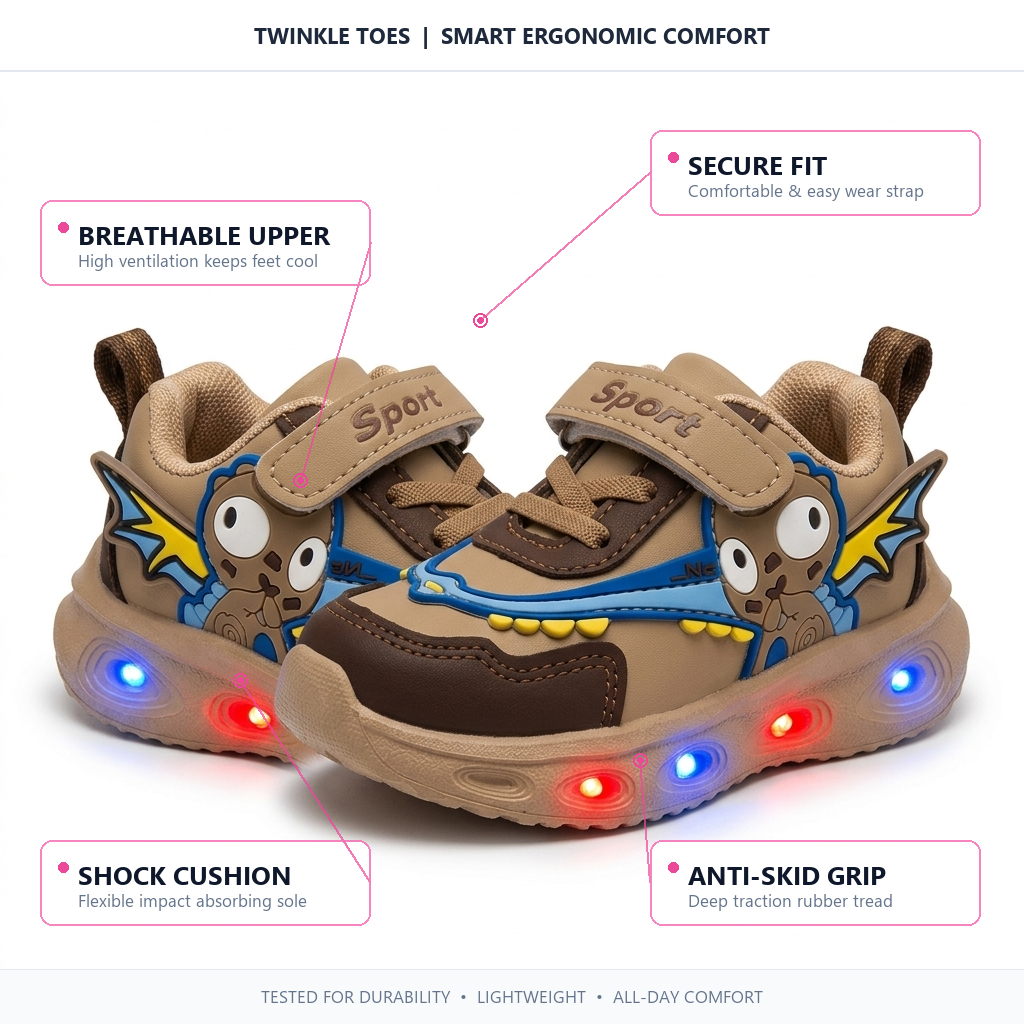
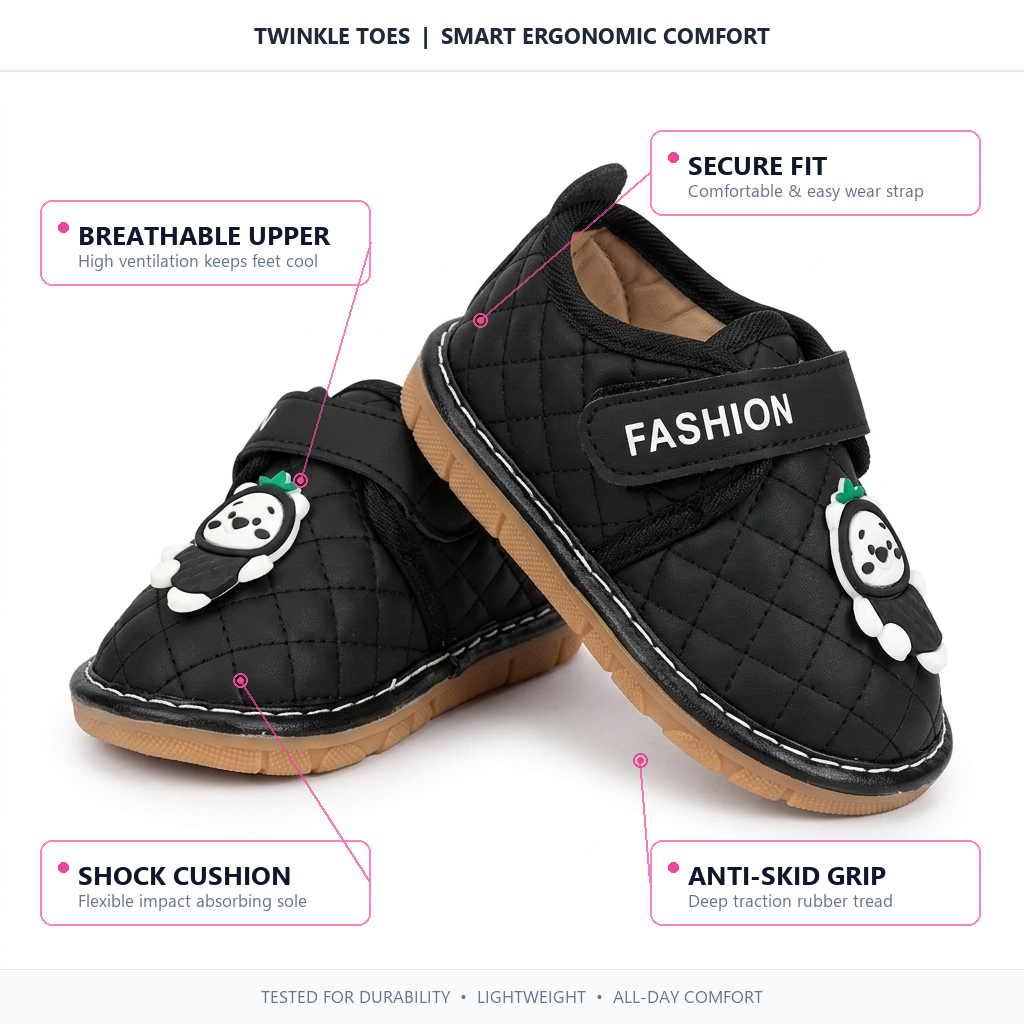
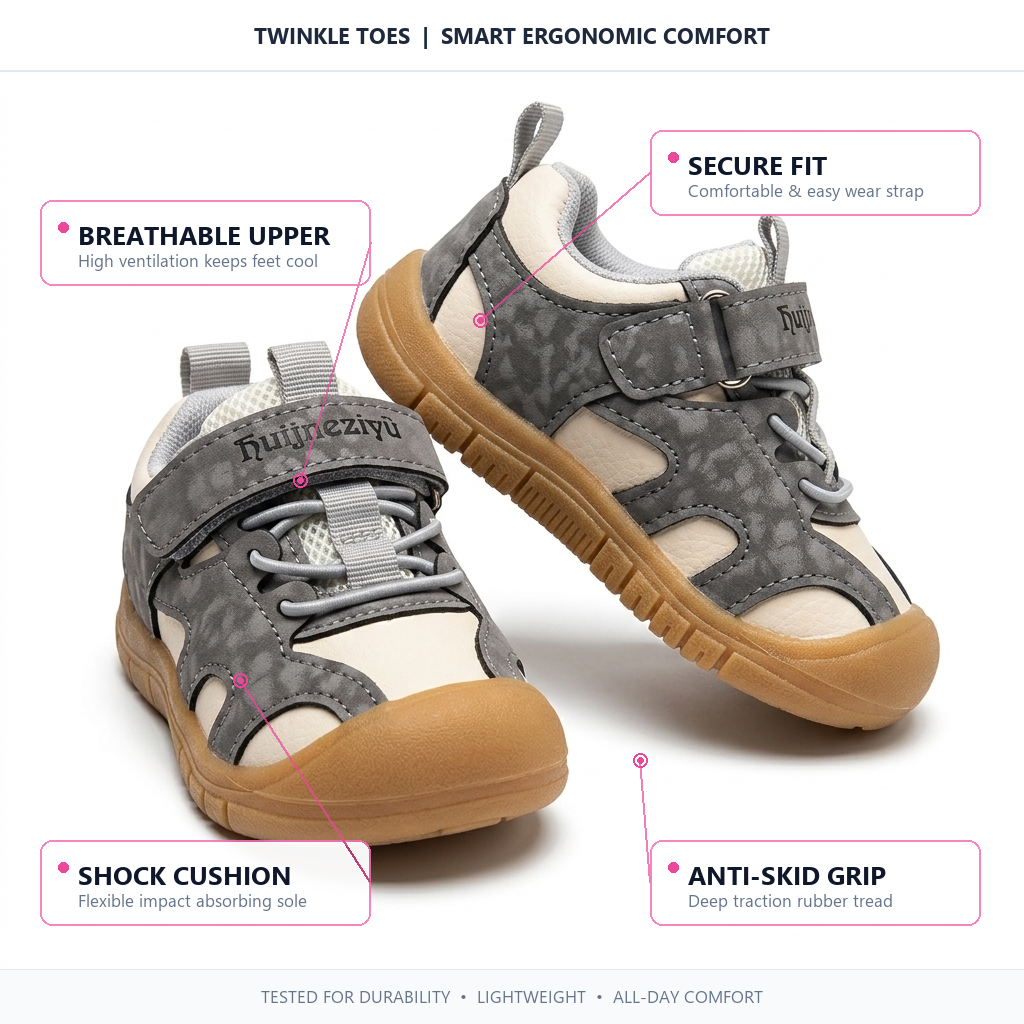
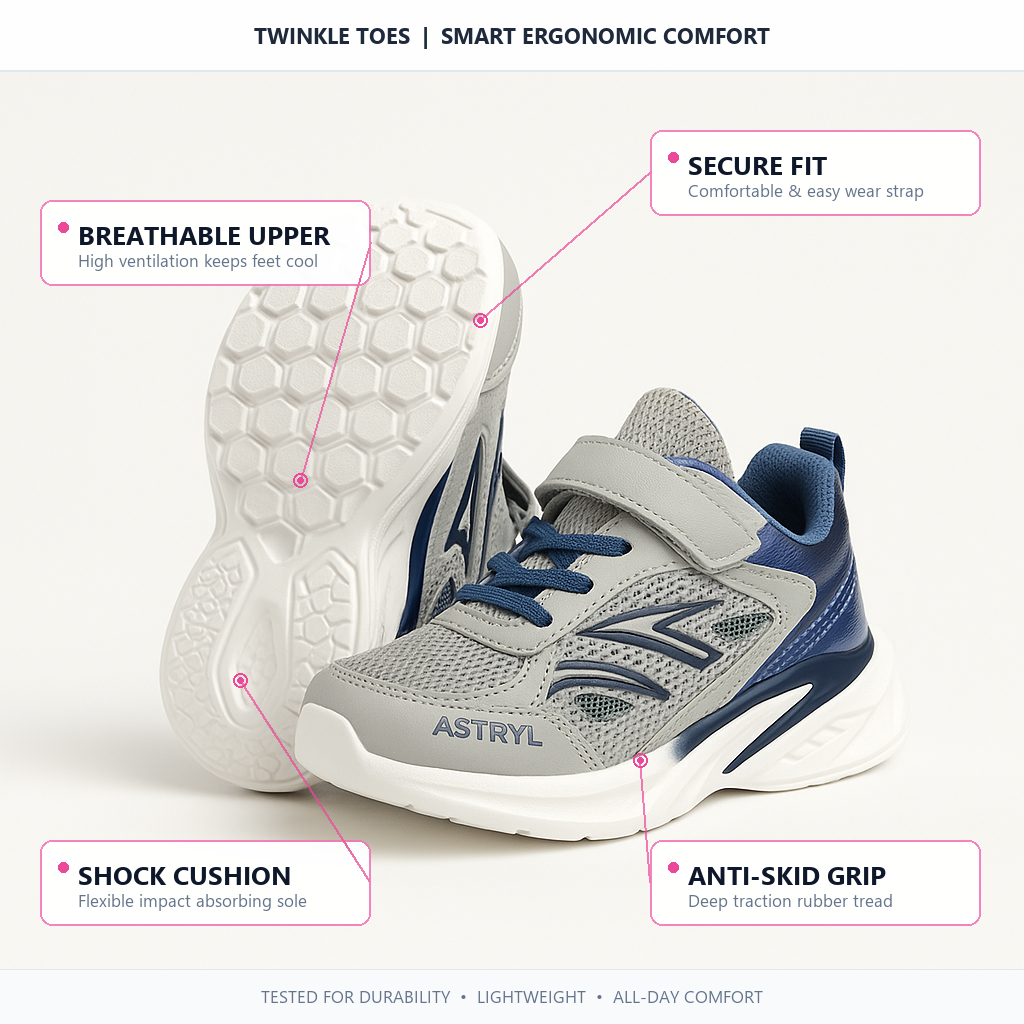
Discover TwinkleToes ergonomically crafted first walking shoes and soft-sole casual kicks engineered on anatomical zero-drop lasts with wide rounded toe boxes.
Frequently Asked Questions (FAQ)
Q1. What are barefoot shoes for toddlers?
Barefoot shoes for toddlers are minimalist shoes designed with zero-drop flat soles, wide fan-shaped toe boxes, ultra-thin flexible outsoles, and lightweight materials that allow natural foot development and sensory ground feedback.
Q2. Are barefoot shoes good for toddlers learning to walk?
Yes, pediatric podiatrists widely recommend barefoot shoes for early walkers. They strengthen foot arch muscles, enhance balance, and prevent toe crowding compared to stiff, heavy shoes.
Q3. Can toddlers wear barefoot shoes on hard concrete in India?
Yes. Quality barefoot shoes feature durable, puncture-resistant rubber outsoles that shield delicate feet from hot concrete, rough stones, and glass while maintaining natural foot flexion.
Q4. What is a “zero-drop” shoe for kids?
A zero-drop shoe has zero difference in height between the heel and the toe (completely level). This maintains a child’s neutral spine and pelvic alignment without tilting their center of gravity forward.