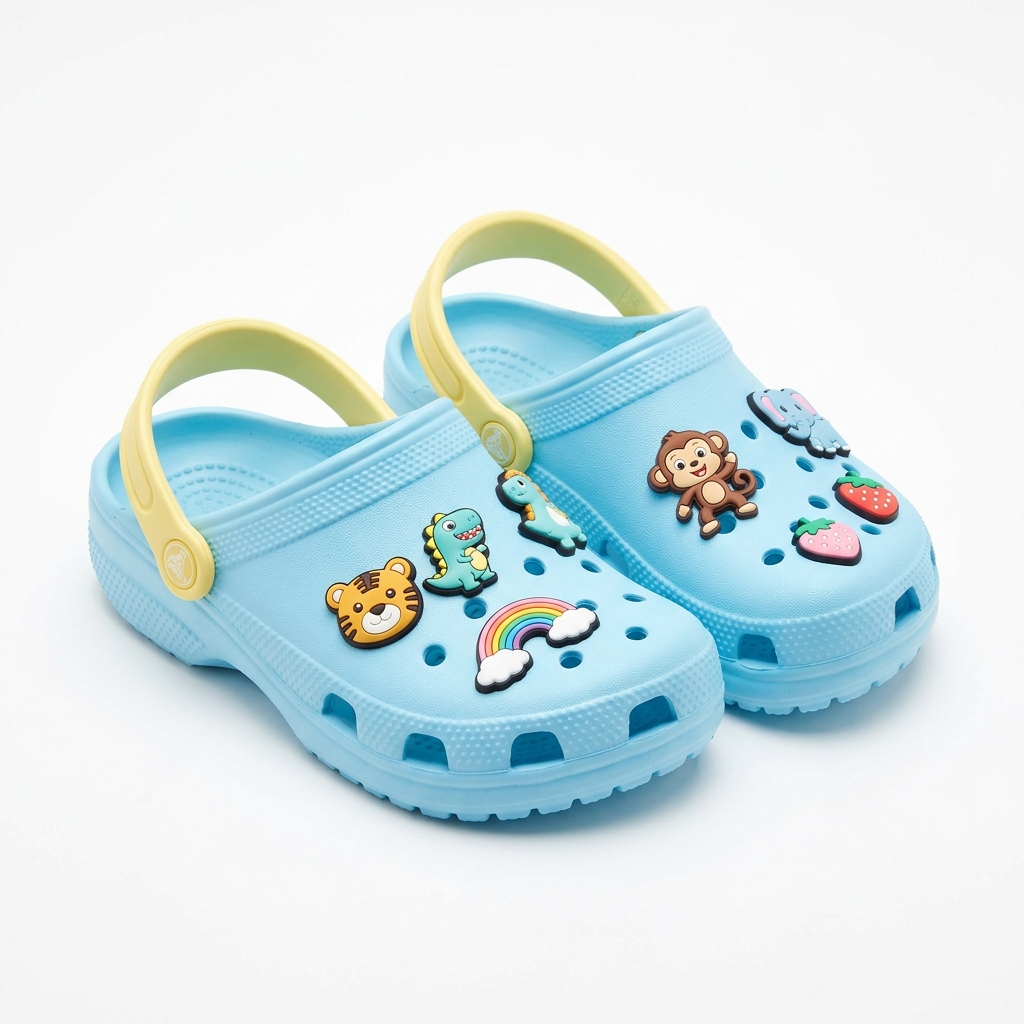
Walk into any playground, nursery, or society park in India, and you will see countless little feet sporting colorful foam clogs decorated with cute cartoon charms.
Parents adore them because they slip on in 2 seconds, wash clean under a running tap, and dry almost immediately during messy monsoon play.
However, many pediatricians and podiatrists have raised concerns about children wearing clogs 24/7. This has led many parents to ask: Are crocs and clogs good for toddlers’ daily wear?
In this guide, we dive into the science of children’s foot health, examine the pros and cons of EVA foam clogs, and explain when to choose waterproof lightweight rainy shoes versus breathable mesh sneakers.
1. Why Parents and Kids Love Foam Clogs
There is no denying the practical benefits that make EVA (Ethylene-Vinyl Acetate) clogs an Indian household essential:
- 100% Waterproof & Quick-Drying: Perfect for Indian monsoons, beach vacations, splash pools, and bathroom trips.
- Featherweight Construction: A pair of kids’ EVA clogs weighs under 120 grams, making them virtually weightless.
- Odor-Resistant & Easy to Clean: Mud, juice spills, and dirt wash off with plain tap water—no scrubbing needed.
- Wide Toe Box: Unlike narrow sneakers, clogs offer generous width for natural toe splay.
- Fun Personalization: Kids love decorating the ventilation holes with their favorite cartoon charms and badges.
2. The Podiatrist’s Verdict: Are Clogs Safe for Everyday Walking?
While clogs are fantastic for specific situations, pediatric orthopedic surgeons advise against making them your child’s only daily footwear for active play.
Here is why:
1. Lack of Heel Security (Heel Slippage)
Even when using the pivoting backstrap, clogs fit loosely around the heel. When a child sprints, stops suddenly, or climbs jungle gyms, their foot slides inside the shoe. This forces the child to “claw” their toes downward to keep the shoe from flying off, which can fatigue the arches and calf muscles.
2. Minimal Arch & Ankle Support
Foam clogs have a relatively flat interior footbed. While sufficient for leisurely walking, they do not offer the torsional stability and ankle support needed for sports like football, cricket, running, or skating.
The Golden Rule for Parents:
Use EVA clogs for water play, rainy days, casual park strolls, and beach trips.
Use breathable mesh sneakers or high-ankle shoes for full-day school, playground sports, and long walking journeys.
| Activity / Scenario | Best Footwear Choice | Why? |
|---|---|---|
| Puddle jumping & Rainy monsoon days | EVA Foam Clogs / Sandals | 100% waterproof, prevents soggy socks, dries in minutes |
| Beach, Pool, Bathroom trips | EVA Foam Clogs | Anti-microbial, doesn’t absorb water |
| School playground & PE sports | Breathable Mesh Sneakers | Locked heel counter, shock absorption, prevents ankle rolls |
| Cycling, Skating, Climbing | High-Ankle Casual Sneakers | Protects ankle bones, maximum grip pedal traction |
3. Best Practices When Buying Clogs for Toddlers in India
If you are buying foam clogs for your little one, follow these guidelines to maximize safety:
① Always Use the Backstrap (Heel Mode)
Never let toddlers wear clogs in “slide mode” (with the strap flipped forward) while running outdoors. Always swing the strap behind the heel to secure the foot and prevent tripping.
② Choose Non-Toxic, High-Grade EVA
Avoid cheap, pungent-smelling PVC plastic footwear sold on road stalls. High-grade EVA foam is non-toxic, hypoallergenic, and provides bounce without releasing harmful plasticizers against bare skin.
③ Check the Sole Tread (Anti-Skid)
Ensure the bottom of the clog has deep drainage channels and rubber-textured grip pads. Smooth, flat-bottomed clogs become dangerously slippery on wet kitchen tiles and mossy monsoon roads.
4. When to Switch to Breathable Mesh Sneakers
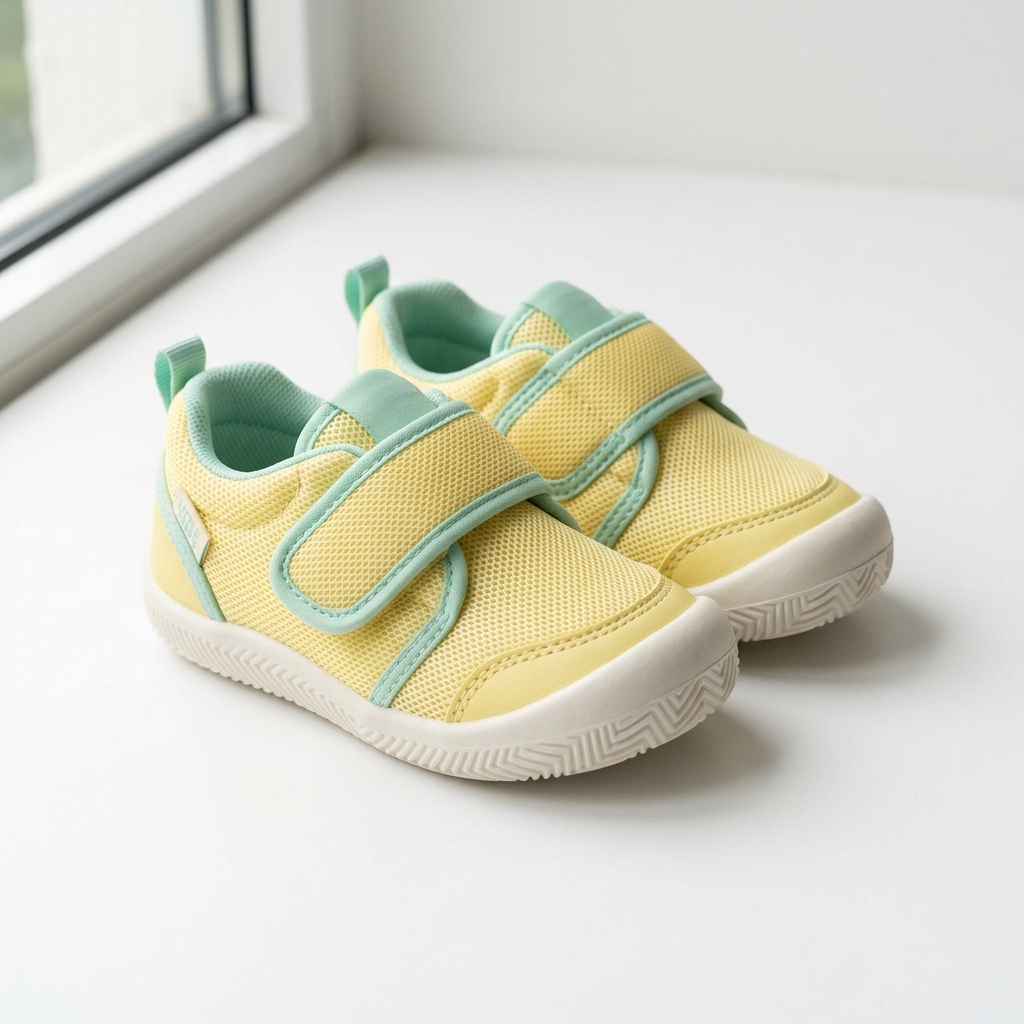
When your child is engaged in high-impact activities—like running on concrete, sports coaching, or full days at preschool—breathable mesh running shoes are the superior choice:
- Torsional Rigidity: Prevents feet from twisting awkwardly during sudden turns.
- Airflow Knitting: Prevents sweaty feet in humid Indian summers, reducing athlete’s foot and skin irritation.
- Reinforced Toe Bumper: Shields delicate toes from painful kicks against stones or furniture.
5. Discover TwinkleToes All-Weather Footwear Range
At TwinkleToes Kicks, we believe in the right shoe for the right occasion:
- TwinkleToes EVA Clog Series: Super-cushioned, molded arch support, non-slip textured outsole, and vibrant dual-tone designs with complimentary charms.
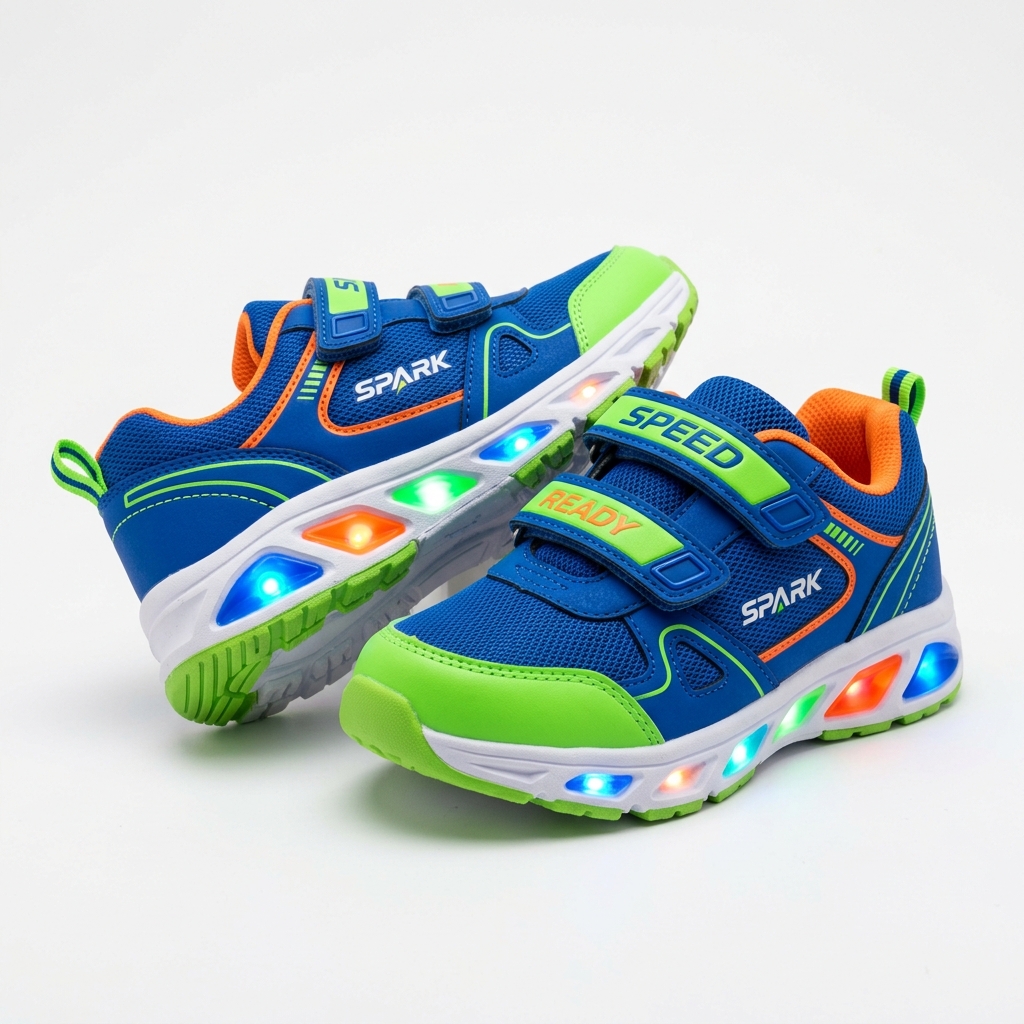
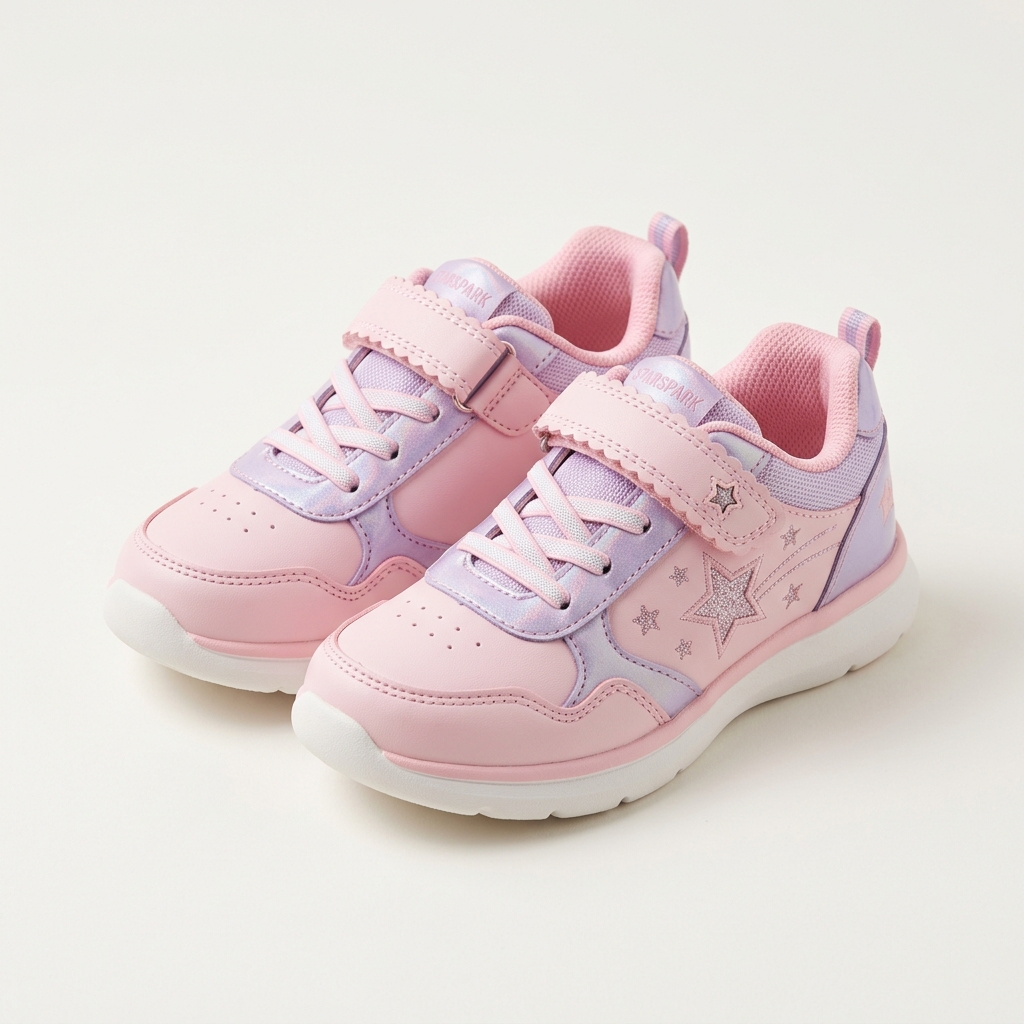
- TwinkleToes Athletic Sneakers Series: Ultra-breathable honeycomb mesh, double-density TPR shock absorption, and secure Velcro fastening.
👉 Shop the TwinkleToes Clogs & Sandals Collection Here
6. Frequently Asked Questions (FAQ)
Q1. Can toddlers wear Crocs or clogs without socks?
Yes, for casual water play or warm summer days. However, if your child sweats heavily or is wearing them for longer walks, thin breathable cotton socks will prevent friction blisters from rubber rubbing against damp skin.
Q2. Are EVA clogs good for rainy season in India?
Yes! High-grade EVA clogs are the #1 footwear choice for Indian monsoons because they are 100% waterproof, washable, do not harbor smelly fungus like soaked canvas shoes, and dry in minutes.
Q3. At what age can a child start wearing clogs?
Children can begin wearing clogs once they are confident, steady walkers—usually around 18 months to 2 years of age. For early pre-walkers (under 18 months), stick to flexible, soft-sole first-walker shoes with secure collars.